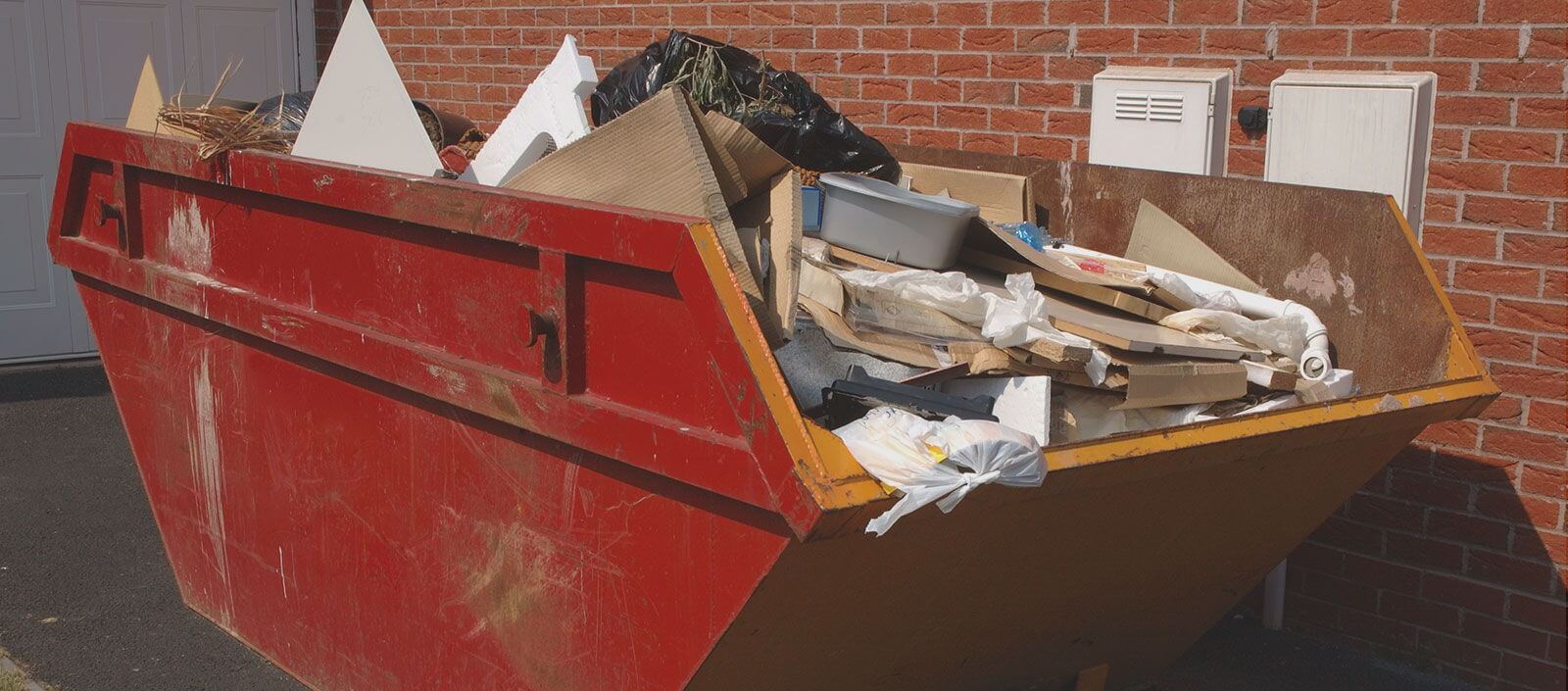
Rubbish removal Harrow on the Hill home clearances
Posted on 29/05/2026
Rubbish removal Harrow on the Hill home clearances: a practical guide for busy households
If you are facing a packed loft, a post-move mess, an inherited property, or just a home that has quietly gathered too much "we'll deal with it later" stuff, you are not alone. Rubbish removal Harrow on the Hill home clearances are one of those jobs that looks simple from the outside and somehow becomes awkward the minute you start lifting bags, sorting furniture, or trying to figure out what can go where. Truth be told, that is usually the point where people decide to get proper help.
This guide walks through what home clearance actually involves, how it works in practice, what to look for in a trustworthy local service, and how to avoid the common traps that make a straightforward job become a stressful one. It is written for real homes, real clutter, and real time pressure - not a perfect showroom version of life.
Whether you are clearing a flat near the Hill, tidying a family house after years of accumulation, or making a property ready for sale or letting, the goal is the same: get the space cleared safely, legally, and with as little disruption as possible.

Why rubbish removal Harrow on the Hill home clearances matters
Home clearance is not just about "getting rid of stuff". It is about recovering usable space, reducing stress, and making a property workable again. In Harrow on the Hill, where homes can range from compact flats to older properties with attics, cellars, gardens, and tight access, the job often needs more than a bin bag and a few strong arms.
A proper clearance service matters because household waste is rarely straightforward. You may have mixed items: old furniture, broken appliances, books, clothes, general rubbish, garden waste, and perhaps a few things that need special handling. Some of it can be reused or recycled, some must be disposed of carefully, and some may need extra care if it is bulky, sharp, or heavy. If you try to manage all of that in one rushed weekend, it can become messy fast.
There is also the emotional side, which people don't always mention. Clearing a loved one's home can be draining. Downsizing can feel like a strange little tug-of-war between practicality and memory. Even a simple declutter before a sale can become oddly sentimental when you open cupboards you have not looked at in years. A good service understands that. It should move at a sensible pace, not just a frantic one.
And in a local area like Harrow on the Hill, practical matters matter too: parking, access, stairs, neighbours, shared entrances, and the simple inconvenience of dragging heavy items out to the kerb. That is why many people prefer a service that handles the lifting, loading, and disposal all in one go, with clear communication from the start. You want the room back, yes, but you also want the day back.
For readers who want a broader view of available options, the services overview is a useful place to understand how home clearance fits alongside wider waste solutions. If the job is mainly furniture, it can also help to compare furniture removal and furniture disposal depending on what you are dealing with.
How rubbish removal Harrow on the Hill home clearances works
Most home clearances follow a fairly simple pattern, even if the property itself is a bit complicated. The details vary, but the process usually begins with a description of what needs removing, where the items are located, and whether there are any access issues. That might mean a one-bedroom flat, a family house, a loft full of boxes, or a garage that has become an accidental storage unit.
Once the job is understood, a quote is normally based on the type and volume of items, the labour involved, and the disposal route. A modest clear-out of bags and small furniture will naturally be different from a full property clearance with wardrobes, white goods, and awkward heavy items. If you need extra help with appliances, take a look at white goods and appliance disposal, especially for fridges, freezers, washing machines, and similar bulky items.
On the day, the team usually arrives, confirms what is being taken, and gets started with loading. This is where a bit of pre-sorting can save time. Items that are definitely staying should be kept in a separate room or clearly marked. Anything fragile, personal, or sensitive should be removed beforehand if possible. It sounds obvious, but in real life people often forget until the last minute. Happens all the time.
After collection, the waste is taken for sorting, reuse, recycling, or disposal. Responsible services do not just dump everything together. Reusable items may be separated, recyclable materials handled accordingly, and waste streams managed with the right care. If environmental responsibility matters to you, the recycling and sustainability page is worth reading.
In practice, the service should leave the cleared area tidy. Not polished like a renovation showroom, obviously, but properly swept and ready for the next step. If you are preparing a home for sale, new tenants, or decorators, that final tidy-up can make a real difference.
Key benefits and practical advantages
The most obvious benefit is time. What might take you several exhausting trips, awkward lifts, and a lot of "where on earth do we put this?" can often be handled in one visit. That alone is worth a lot when you are balancing work, family, or a deadline to hand back keys.
Another major advantage is safety. Lifting bulky furniture down stairs, carrying broken items, or moving heavy black bags is where people strain backs and knock walls. Home clearance teams are used to the physical side of the job, and they should arrive with the right equipment and a sensible approach. A job done safely is usually a job done better. If you want to understand what a reliable provider should think about, the insurance and safety information is helpful.
There is also the compliance angle. When rubbish is collected by a legitimate operator, you reduce the risk of fly-tipping and improper disposal. That matters more than people realise. If waste is handled badly after it leaves your property, the hassle can come back to you in the form of complaints, questions, or just a bad feeling. No one wants that.
Home clearances can also improve the value or presentability of a property. A cleared room looks bigger, brighter, and more usable. A cluttered room looks smaller and more tired than it really is. That matters if you are selling, letting, renovating, or preparing for a probate sale. If you are thinking about property in the wider Harrow area, these local articles may also be useful: Harrow real estate buying tips and local advice on living in Harrow.
And, to be fair, there is a mental benefit that is hard to price up. A cleared hallway, a usable spare room, a garage you can actually walk through - these small wins change how a home feels.
| Approach | Best for | Typical pros | Typical drawbacks |
|---|---|---|---|
| DIY clearance | Very small loads, simple items | Low direct cost, full control | Time-consuming, heavy lifting, disposal logistics |
| Skip hire | Longer projects with ongoing waste | Convenient for multi-day work | Space required, loading effort, permits may be needed |
| Professional home clearance | Mixed household items, bulky waste, tight deadlines | Fast, labour included, usually tidier and more convenient | Can cost more than doing it yourself |
Who this is for and when it makes sense
Not every household needs a full clearance, and that is fine. Sometimes a few bags and a single sofa are all you need shifted. But there are several common situations where a proper home clearance becomes the sensible choice.
- Moving home: Ideal when you do not want to transport unwanted items to the next property.
- Downsizing: Useful when the new space is smaller and only selected furniture will fit.
- Probate or bereavement clearances: Often better handled by a calm, structured service.
- End of tenancy: Helpful when a landlord or tenant needs the property emptied promptly.
- Before renovation: Clears rooms so trades can work without obstacles.
- Post-loft or garage sorting: Perfect for those "we'll deal with it later" storage zones.
- Large decluttering projects: Good for households that have simply accumulated too much over time.
Some people also use clearance services before hosting events or family gatherings. If that sounds familiar, you might enjoy this local piece on where to host a great party in Harrow. Different topic, same basic truth: a tidy space changes how people experience it.
If you are dealing with garden waste alongside indoor clutter, it may make sense to combine services rather than split the job. A mix of branches, soil bags, old pots, and broken outdoor furniture can often be handled alongside a broader garden waste removal plan.
Step-by-step guidance
Here is a straightforward way to tackle a home clearance without turning it into an all-consuming project.
- Walk through the property slowly. Make a list of what needs to go and what must stay. Do not rush this part. People often forget the loft, the shed, or the under-stairs cupboard.
- Separate personal and important items first. Passports, paperwork, family photos, keys, medication, and sentimental belongings should be removed before any clearance work begins.
- Flag anything unusual. Old paint tins, electrical items, large batteries, or awkward heavy pieces may need extra care. If you are unsure, ask in advance rather than guessing.
- Check access. Is there parking nearby? Narrow stairs? A shared entrance? A lift that is a bit temperamental? These details affect the job more than people think.
- Ask for a clear quote. A good quote should be based on volume, labour, access, and waste type. It should not feel vague or slippery.
- Confirm what will happen on the day. Who arrives, what time, what areas are included, and whether final tidying is part of the service.
- Prepare the property. Clear small valuables, move the pets if needed, and label anything that is definitely staying.
- After the clearance, do a final room-by-room check. It is easy to miss a drawer or corner shelf when the day gets busy.
That last check is oddly satisfying. You open the room, look around, and think: right, that is better. Simple as that.
Expert tips for better results
One of the best ways to make a clearance smoother is to group items by type before the team arrives. For example, keep furniture together, books together, and general clutter together. You do not need to be perfect about it, but even a little organisation helps. It makes the day faster and the quote more accurate.
Another good tip is to be honest about the volume. People often understate the amount of waste because the room looks smaller than it really is, or because the pile has spread across several spaces. If in doubt, describe the job slightly more fully rather than less. That avoids surprises.
Where possible, separate items that can be reused from those that are simply rubbish. A service with a recycling focus can often divert more material away from disposal, and some items may be better suited to separate handling. If you are not sure what should be recycled, the rubbish collection and waste removal service pages can help you understand the scope of typical household collections.
Also, watch the timing. If you are clearing before a sale, a tenancy change, or a decorator starts, leave enough breathing room. Trying to squeeze clearance into the same day as a survey, inventory, or key handover is a recipe for stress. A tiny bit of padding in the schedule can save a lot of hassle.
One more thing: ask about payment, receipts, and confirmation of collection details if you need them for records. That is not overkill. It is just sensible.
If you want to learn more about the company background and service ethos, the about us page gives helpful context. And if you need clarity on how bookings are handled, the pricing and quotes information is a smart next read.

Common mistakes to avoid
The biggest mistake is leaving sorting until the last minute. It sounds harmless, but it often leads to mixed piles, accidental disposal of useful items, and a lot of rummaging through boxes you had no intention of opening again. Start early if you can.
Another common error is not checking what the provider will and will not take. Most clearances are broad, but certain items may need special handling. White goods, mattresses, very heavy items, or awkward materials can affect the plan. If the clearance includes appliances, it is worth checking the appliance disposal guidance first.
People also underestimate access problems. A van may park nearby, but if the items have to be carried through several flights of stairs or a narrow entrance, the job takes longer. Mention this at the quote stage. It is much better to be upfront than to improvise on the day.
Do not forget the hidden spots either. Behind doors, under beds, in cupboards, inside the shed, behind the washing machine - the usual suspects. You laugh, but the number of times a "fully cleared" room still has three bags hiding behind a curtain is, well, quite high.
Finally, avoid choosing purely on the cheapest price. A quote that looks too low may leave out labour, disposal, or the realities of access. A fair quote with clear terms is usually better than a bargain that turns complicated halfway through.
Tools, resources and recommendations
You do not need a van full of equipment to prepare for a home clearance, but a few simple tools help the process run more smoothly.
- Bin bags and boxes: For sorting keep, donate, recycle, and remove piles.
- Marker labels: Useful for rooms, cupboards, and items that should remain.
- Gloves: Handy if you are moving dusty loft items or old garden waste.
- Tape measure: Helpful if you are deciding whether a large item is staying or going.
- Phone camera: Good for taking before-and-after photos, or documenting items for family discussions.
For support beyond a single clearance, it can help to explore related services depending on what is in the property. A loft full of old boxes may point you towards loft clearance, while a work-from-home setup or small business move might need office clearance. If you are dealing with a premises rather than a home, the commercial side is covered in commercial waste removal and, for business-specific guidance, affordable commercial rubbish removal in Harrow business parks.
For larger or more formal projects, especially if you are managing a property handover or multiple rooms, you may also benefit from reading about house clearance in Harrow. That sits very close to home clearance, but the scope can be wider and more structured.
Law, compliance, standards, and best practice
When rubbish leaves your property, you want confidence that it is being handled properly. In the UK, waste must be carried and disposed of responsibly, and reputable operators should be able to explain their compliance approach in plain English. You do not need a legal lecture, just reassurance that the basics are covered.
A sensible provider should be transparent about how waste is transported, sorted, and disposed of. They should also be able to talk clearly about recycling, reuse, and the handling of any material that needs special attention. If you are comparing services, ask whether they are willing to explain their process without jargon. That alone tells you a lot.
It is also worth checking that the business operates with appropriate insurance and safety awareness. Heavy lifting, awkward access, and mixed waste are not jobs to wing casually. If the team looks rushed or evasive, trust your instinct. Professional clearance work should feel organised, calm, and straightforward.
For more detail on responsible operation, see waste carrier licence and compliance. If you want the broader legal and service framework, the terms and conditions and privacy policy pages are also useful to understand how a business manages bookings and customer information.
Best practice is not complicated, really: clear communication, careful handling, lawful disposal, and respect for the property. That is the standard worth expecting.
Options, methods, and comparison table
If you are trying to choose the right route for a clearance, here is a simple comparison of the main approaches. There is no perfect answer for every household, only the method that best fits the job, budget, and timeframe.
| Method | Good fit for | Strengths | Trade-offs |
|---|---|---|---|
| Self-clearance | Small jobs, one or two items | Low upfront spend, total control | Physically demanding, time-heavy, disposal uncertainty |
| Skip hire | Ongoing renovation or garden work | Handy if waste builds up over several days | Needs space, loading effort, can be overkill for one-off clearances |
| Partial collection | Specific items like sofas, appliances, or bags | Flexible, usually quicker than a full service | May require you to sort more yourself |
| Full home clearance | Whole rooms, moving house, probate, major declutter | Fast, convenient, labour included | Usually the highest service cost, though often better value overall |
The practical decision often comes down to one question: do you want to manage the work yourself, or do you want the job properly handled in one visit? For many households, the time saved and the reduced stress make professional clearance the sensible choice. Not glamorous, perhaps, but sensible.
Case study or real-world example
Picture a typical Harrow on the Hill property: a family home with a front room used for storage, a loft with boxes from three different decades, and a garage that has become part workshop, part archive, part mystery zone. The owners are preparing for a move and need the house emptied quickly, but they cannot spend three weekends doing it themselves.
They start by separating valuables, paperwork, and anything going to the new address. One room is labelled "stay", one "clear", and the loft gets a rough inventory of what is going out. There are two bulky wardrobes, an old sofa, several bags of mixed household waste, a broken freezer, and a stack of garden items from the shed. Nothing exotic, just the usual real-life mix.
On the day, the team arrives, confirms access, and works through the property in stages so that the heavier items do not block the lighter sorting. The freezer is handled separately, the furniture is removed carefully to avoid scuffs, and the remaining bags are cleared from the loft and garage. The owners had expected it to take all day. It did not. That was the surprise, and honestly the relief.
What made the difference was preparation. Not perfect preparation, just enough. A list, a bit of sorting, a clear idea of what had to stay, and a provider who explained the process without drama. Simple things, but they matter.
Practical checklist
Use this before arranging your clearance. It will save time, money, and a bit of head-scratching.
- Walk through every room, including loft, cellar, shed, and garage.
- Remove passports, cash, jewellery, medication, and private documents.
- Separate items that are staying from items that are going.
- Identify any appliances, mattresses, or bulky furniture.
- Note stair access, parking, and any narrow entrances.
- Ask whether labour, loading, and disposal are included in the quote.
- Check how the service handles recyclable materials and reusable items.
- Confirm the date, arrival window, and expected duration.
- Keep pets and children away from the work area on the day.
- Do a final sweep before the team leaves.
Expert summary: The best rubbish removal and home clearance jobs are rarely the fastest to plan, but they are the easiest to live with afterwards. A little sorting, a clear quote, and a provider that treats your home with care will usually save more stress than they cost.
Conclusion
Rubbish removal Harrow on the Hill home clearances are about more than taking away unwanted items. They help you reclaim space, reduce pressure, and move a property forward, whether that means selling, letting, renovating, or simply breathing a bit easier at home. The best results come from a service that is clear, careful, and properly equipped for the work.
Look for transparency, sensible pricing, safe handling, and a responsible approach to disposal. Do a little preparation, ask the practical questions, and choose the option that fits your home rather than trying to squeeze a complicated job into a DIY weekend. You will feel the difference almost immediately - in the cleared room, the quieter hallway, the less cluttered morning.
If your next step is to compare options, check the details, and get a sense of what suits your property, start with the service pages and work from there. A tidy home is easier to manage, easier to enjoy, and, if we are honest, a lot easier to think in.
Get a free quote today and see how much you can save.


 Tipper Van - Waste Removal and Rubbish Clearance Prices in Harrow, HA1
 Luton Van - Waste Removal and Rubbish Clearance Prices in Harrow, HA1