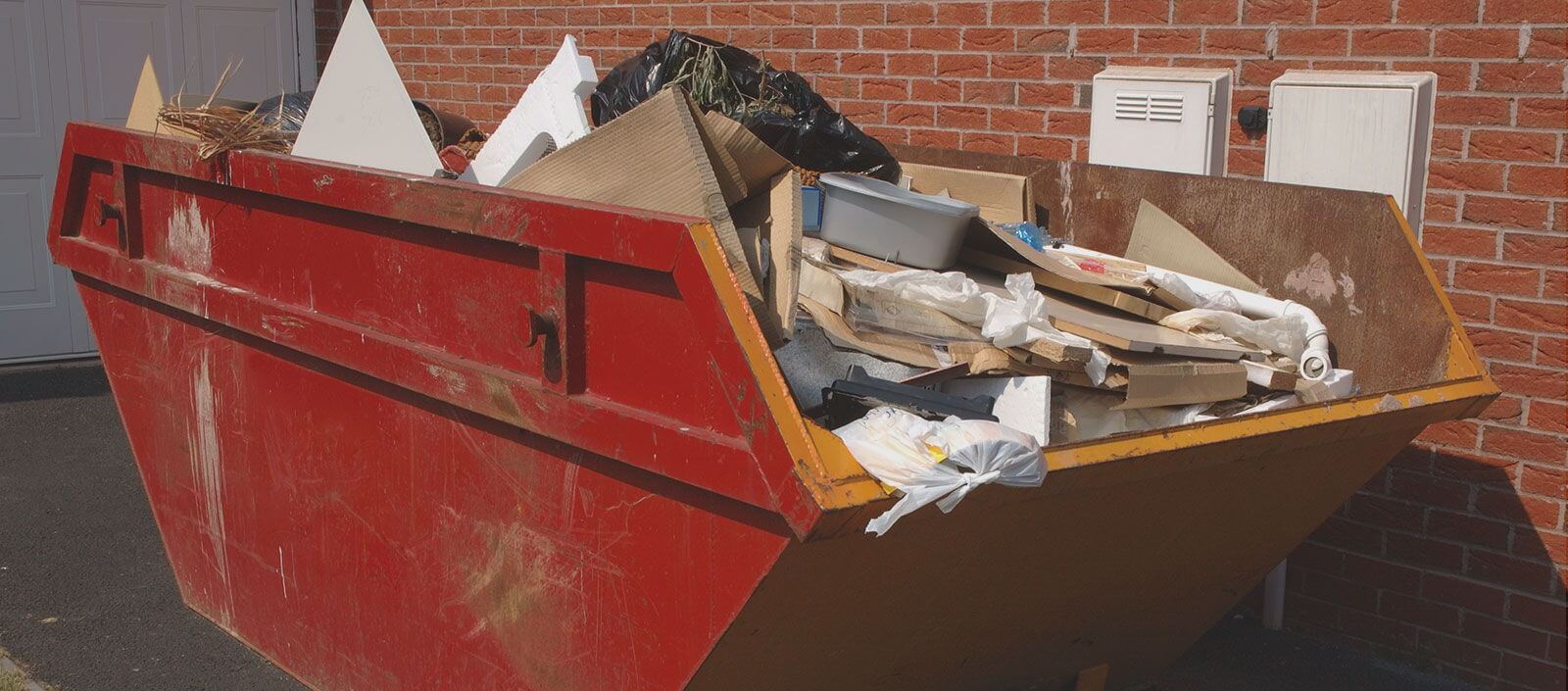
Affordable commercial rubbish removal Harrow business parks
Posted on 05/05/2026
Affordable commercial rubbish removal Harrow business parks: a practical guide for busy local businesses
If you run a unit, office, workshop, or shared premises in one of Harrow's business parks, rubbish has a habit of building up quietly. A few broken pallets here, some packaging there, maybe old office furniture near the back door, and suddenly the place feels cramped, untidy, and harder to manage. That is where Affordable commercial rubbish removal Harrow business parks becomes less of a nice-to-have and more of a basic business essential.
Done well, it keeps your site safer, your staff happier, and your costs under control. Done badly, it can turn into missed collections, wasted storage space, compliance headaches, and a scramble when someone needs the waste gone today. This guide breaks down what commercial rubbish removal actually involves, how to keep it affordable without cutting corners, and what businesses in Harrow should look for before booking a collection.
Whether you manage a small trade unit, a growing office, or a mixed-use site with regular clearance needs, the aim is the same: clear waste quickly, legally, and without paying for more than you need.

Why Affordable commercial rubbish removal Harrow business parks Matters
Business parks work best when they feel organised. Not spotless, necessarily. Just under control. Waste is one of those background issues that people only notice when something goes wrong: a fire exit blocked by cardboard, a loading bay crowded with old fixtures, or an overflowing skip attracting complaints. None of that helps a business move smoothly through the day.
In Harrow, many business parks and light industrial areas have tight access, shared parking, and more than one tenant using the same service road. That makes waste management a little more complicated than simply wheeling a bin outside. A service that is genuinely affordable should save time as well as money, because cheap rubbish removal that wastes staff hours is not actually cheap. Truth be told, the hidden cost often sits in your operations rather than the invoice.
For local businesses, affordability also means flexibility. You may not need a full-time waste contract. You may need occasional clearances after refits, tenant moves, stock changes, or office reorganisations. A sensible provider should be able to handle small and mid-sized jobs without overcharging for volume you do not use.
There is also a reputational angle. A tidy business park looks more professional to clients, suppliers, and staff. If you welcome visitors, receive deliveries, or operate in a customer-facing unit, waste control affects how your business feels from the outside. It is one of those small things that quietly shapes trust.
Expert summary: affordable commercial rubbish removal is not just about a low price. The real win is predictable service, proper disposal, minimal disruption, and a site that keeps functioning without clutter getting in the way.
How Affordable commercial rubbish removal Harrow business parks Works
The process is usually more straightforward than people expect. For most business parks, commercial rubbish removal starts with a quick description of the waste, access details, and the urgency of collection. From there, the provider estimates labour, vehicle size, and disposal requirements. Simple jobs may be handled the same day; larger clearances are often scheduled to fit around trading hours or site restrictions.
In practical terms, the service usually falls into one of three patterns:
- Ad hoc collections for one-off clearouts, tenant handovers, or bulky items.
- Regular business waste removal for offices, workshops, and units that produce ongoing rubbish.
- Mixed-load clearances where packaging, furniture, office items, and general waste are removed together.
What gets collected depends on the site and the provider, but commonly includes cardboard, broken furniture, shelving, old stock, packaging, office clutter, and non-hazardous commercial waste. For jobs involving heavier or more awkward items, a service linked to commercial waste removal in Harrow is often the most relevant starting point, especially if you need a mix of uplift, sorting, and lawful disposal.
Access matters more than most businesses realise. Can a van get close to the unit? Is there a lift? Are there loading bay restrictions? Does the collection need to happen before staff arrive, or after the last delivery leaves? These details affect both price and speed. A good provider will ask them early, because that is how avoidable delays get prevented.
There is also the question of sorting. Some waste streams may be suitable for recycling or reuse, while others need separate handling. Providers focused on recycling and sustainability can often help reduce what goes to landfill, which is better for both the environment and the business's cost discipline. Not every load is identical, and that is fair enough.
Key Benefits and Practical Advantages
Affordable rubbish removal is easy to define badly. People hear "affordable" and think only about the lowest quote. That misses the point. For business parks, the practical value sits in a bundle of benefits that make day-to-day operations smoother.
- Lower storage pressure: you free up back-of-house space, loading areas, and corners that were becoming accidental dumping zones.
- Better presentation: neat surroundings make a stronger impression on visitors and contractors.
- Safer working conditions: fewer trip hazards, less obstruction, and clearer access routes.
- Faster turnaround: waste removed promptly means less time spent waiting for things to move.
- More predictable spending: a clear quote makes it easier to manage facilities budgets.
- Improved recycling opportunities: cardboard, metals, and some furniture items may be diverted where suitable.
There is a subtle but important operational benefit too: staff stop improvising. When rubbish builds up, teams begin making temporary decisions that become permanent habits. Boxes get stacked in walkways, old chairs get shoved into meeting rooms, and suddenly no one is quite sure who owns the mess. A regular, reliable clearance arrangement brings order back.
For units that support trades or light manufacturing, the benefit can be even more visible. You can actually move around the site without navigating a miniature obstacle course. Slightly dramatic, yes, but anyone who has tried to carry something awkward past a pile of old packaging knows the feeling.
Who This Is For and When It Makes Sense
This kind of service suits a broad range of businesses in Harrow business parks. Some need it weekly. Others only call when a space is being cleared, refitted, or handed back. To be fair, not everyone needs the same model.
It is often the right fit for:
- small and medium-sized offices that generate furniture, packaging, and paper waste
- trade units and workshops with bulky offcuts or mixed debris
- retail stockrooms and back-of-house storage areas
- landlords and managing agents preparing a unit for a new tenant
- property fit-out teams removing leftover materials after works
- businesses relocating within Harrow and needing a quick clear-out
If your waste is unpredictable, ad hoc rubbish removal is usually better than a rigid arrangement. If your site creates steady, recurring waste, a planned service can be more cost-efficient. That is where many businesses save money: not by choosing the cheapest possible option, but by choosing the right frequency.
It can also make sense during seasonal peaks. Think of post-stocktake clearances, refurbishments after winter, or office decluttering ahead of a lease event. One practical example: a company might store broken desks for months "just in case", only to realise they are paying for valuable square footage they never actually use. One collection later, the space feels bigger. Funny how that works.
Step-by-Step Guidance
If you want a smoother, more affordable removal process, start with a bit of structure. Nothing complicated. Just enough planning to avoid paying for panic.
- Identify the waste types. Separate general rubbish from bulky items, recyclables, and anything that may need special handling.
- Estimate volume honestly. Overestimating leads to wasted spend; underestimating creates delays and extra visits.
- Check access conditions. Note loading bays, stairs, lifts, parking restrictions, and security procedures.
- Choose a suitable collection time. Early mornings, quiet periods, or out-of-hours slots can reduce disruption.
- Request a clear quote. Ask what is included: labour, vehicle, loading, disposal, and any additional charges.
- Confirm compliance details. Make sure the provider can show they handle waste legally and responsibly.
- Prepare the site. Put waste in one place where possible, and keep pathways clear.
- Review after collection. Check whether the service matched the plan so you can improve next time.
If you are arranging a larger site clean-out, related services such as office clearance in Harrow or even builders waste disposal can be useful when the job includes desks, partitions, or post-refit debris. The key is matching the service to the job rather than forcing a one-size-fits-all solution.
For businesses that want to compare options or book around a specific budget, it helps to review pricing and quotes before you commit. Clear pricing is one of the strongest signals that a provider understands commercial reality.
Expert Tips for Better Results
After enough business clearances, a few patterns become obvious. The smooth jobs are rarely accidental. They are usually the result of small decisions made before the van arrives.
- Bundle compatible waste together. If cardboard, office clutter, and broken furniture are all going, group them for easier loading.
- Label awkward items early. A simple "keep", "bin", or "recycle" note can save time on-site.
- Plan around deliveries. If your business park gets busy mid-morning, book removal before the rush.
- Keep access routes clear. Even a neat pile of waste can slow a job if it blocks a corridor or a lift lobby.
- Ask about reuse potential. Some office furniture or metal items may be better handled in a reuse/recycling-friendly way.
- Use regular clearance as a reset. A quarterly tidy-up can stop small waste issues becoming expensive clutter.
There is also a simple human tip: assign one person to make the decision. Not five. If a team tries to "check with everyone" before releasing waste, the clearance can stall for half a day while three different people have opinions about an old printer. You do not need that drama.
For providers and clients alike, it helps to work with teams that are straightforward about safety. The guidance on insurance and safety is worth reviewing if you want to understand what a responsible service should be considering before lifting a single item.

Common Mistakes to Avoid
Most expensive rubbish removal problems start with small assumptions. The good news? They are avoidable.
- Choosing on price alone: the cheapest quote may leave out labour, disposal, or access issues.
- Not describing the waste properly: mixed commercial loads can change the amount of time and vehicle space needed.
- Ignoring access constraints: a good quote depends on whether the crew can actually reach the waste.
- Leaving everything until the last minute: urgent jobs usually cost more and create more stress.
- Assuming all waste can go together: some materials need separate handling or recycling routes.
- Using an unverified operator: if waste is mishandled, the business that produced it can still face trouble.
A quieter mistake is failing to think about the next collection. You clear the site once, then the same pile-up starts again because there is no process behind it. That is why a small review after each job matters. Even a ten-minute debrief can reveal practical changes, like moving the collection point nearer the exit or setting aside a dedicated waste bay.
And yes, sometimes the real issue is just too much stuff. It happens.
Tools, Resources and Recommendations
You do not need a complicated system to manage commercial waste better. A few basic tools and habits will do most of the work.
- Simple waste log: note what was collected, when, and by whom.
- Photo record: before-and-after photos help with facilities planning and tenant handovers.
- Labelled collection area: one place for waste keeps the rest of the site cleaner.
- Clear quote checklist: confirm labour, access, disposal, and timing before booking.
- Internal contact list: one person should coordinate collections so messages do not get lost.
For businesses that want a broader view of what a provider can handle, the services overview is useful because it helps you see how commercial rubbish removal fits alongside other collections. If your site also needs mixed clearances, there may be overlap with rubbish collection in Harrow and wider waste removal services depending on the job size and materials involved.
For business owners who are also local property investors or occupiers in Harrow, the area matters too. Reading about the local market in guide to investing in Harrow real estate and Harrow real estate buying tips can help you think more clearly about how premises costs, maintenance, and presentation all connect. It is not just about waste, in other words. It is about keeping the asset working.
Law, Compliance, Standards, or Best Practice
Commercial rubbish removal in the UK needs to be handled carefully. The main thing businesses should understand is that waste does not disappear responsibly by magic. It has to be transferred, carried, and disposed of by the right people, in the right way.
That is why checking a provider's waste carrier credentials is sensible. A legitimate operator should be able to explain how they handle collections and what happens after the waste leaves your site. If a business says it can take anything, every time, with no explanation, that should raise an eyebrow.
From a best-practice perspective, businesses should also keep basic records of waste removal arrangements, especially for regular or larger clearances. This is practical as much as it is compliant. If a landlord, facilities manager, or auditor asks what happened to a load, good records make the answer easy.
The waste carrier licence and compliance page is a useful reference point for understanding the kind of reassurance a professional service should provide. It is also worth remembering that some waste streams may need extra care, so if a clearance includes items such as appliances, specialist materials, or mixed construction debris, ask questions before the crew arrives.
Best practice is often simple:
- describe the waste accurately
- use a properly authorised carrier
- keep the site safe during loading
- separate recyclable items where practical
- retain basic documentation for your records
If your site has wider sustainability goals, ask how the provider approaches reuse and recycling. A sensible operator should be able to explain this in plain English, not hide behind jargon.
Options, Methods, and Comparison Table
There are a few common ways businesses in Harrow handle rubbish removal. The right choice depends on waste volume, urgency, and how much site disruption you can tolerate.
| Option | Best for | Pros | Watch-outs |
|---|---|---|---|
| Ad hoc commercial collection | One-off clearances, tenant moves, occasional bulky waste | Flexible, quick, usually only pay when needed | Can cost more per visit if used very frequently |
| Regular planned waste removal | Ongoing waste from offices, trade units, or stock areas | Predictable, easier budgeting, less clutter | May be inefficient if waste levels vary a lot |
| Full clearance service | Large office clearouts, refurbishments, end-of-lease jobs | Fast reset of the space, less manual handling for staff | Needs clearer planning and access coordination |
| Mixed waste and furniture uplift | Sites with old desks, chairs, packaging, and general rubbish | Convenient and efficient for complex loads | Requires accurate description of the mix |
For many business parks, the mixed uplift model is the most practical. You can clear the back room, the broken office furniture, and the cardboard mountain in one go. Efficient, tidy, and less awkward for everyone involved.
Case Study or Real-World Example
Imagine a small professional services office in a Harrow business park. Over six months, the team accumulates broken chairs, archive boxes, redundant monitors, and packaging from a desk refresh. None of it is urgent enough to cause a crisis, but enough of it starts creeping into a spare meeting room that nobody really wants to use anymore.
The business decides to book a clearance instead of letting staff deal with it piece by piece. Before the collection, one person walks the space, lists what is going, and checks access to the loading point. The provider quotes based on volume, labour, and the awkwardness of removing a few heavier items. Not glamorous, but accurate.
On the day, the removal is done early, before the office gets busy. The team can hear the van outside, the clatter of items being moved, and then, a bit later, that lovely feeling of space returning. The spare room becomes usable again. The corridor stops feeling like a storage lane. No heroic story, just a cleaner working environment and less time spent stepping around clutter.
The real lesson? The cheapest solution would not have been the one that left items sitting around for another two months. The better value came from getting the right waste out in one organised visit.
Practical Checklist
Use this checklist before you book a collection. It keeps things simple and stops little details turning into expensive surprises.
- Have you identified the main waste types?
- Do you know roughly how much needs removing?
- Is access to the waste area clear and realistic?
- Have you picked a collection time that fits your business hours?
- Do you know whether the load includes furniture, packaging, or construction-type debris?
- Have you asked what is included in the quote?
- Have you checked the provider's compliance and insurance information?
- Will any items need recycling or separate handling?
- Have staff been told where to place the waste before pickup?
- Have you planned what happens after the collection so clutter does not build up again?
If you can answer "yes" to most of these, you are already ahead of the game.
Get a free quote today and see how much you can save.
Conclusion
Affordable commercial rubbish removal for Harrow business parks is really about control. Control over cost, over timing, over compliance, and over how your site feels to the people who use it every day. When the system works, nobody talks about the rubbish. And that is usually the sign of a job well done.
Choose a provider that is clear, local, and practical. Give them accurate information. Book collections before clutter becomes a nuisance. Those small decisions make a bigger difference than most people expect. And once the space is clear, you can feel it straight away - a bit more room, a bit less friction, and a place that works the way it should.
Sometimes the best business improvement is simply making space for the next good day.