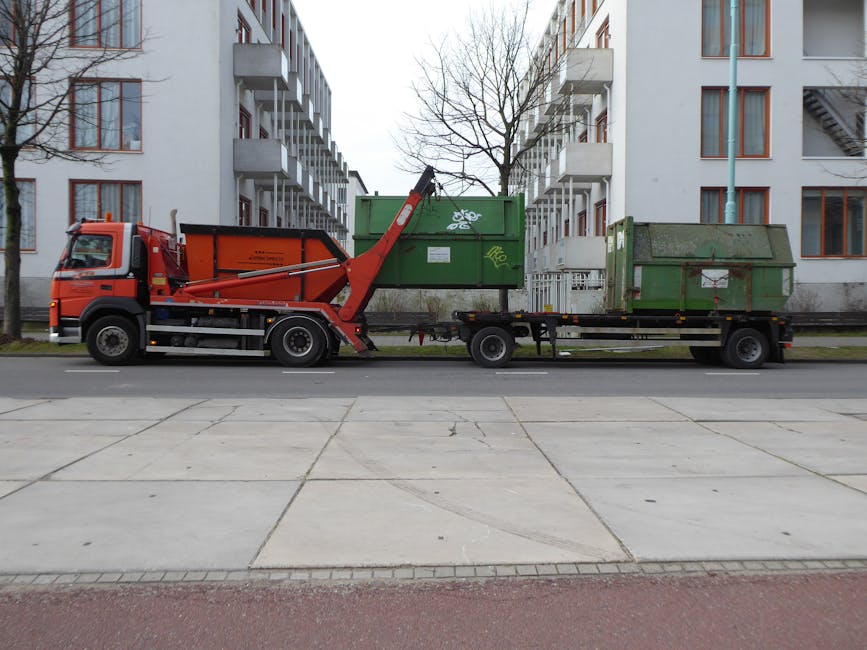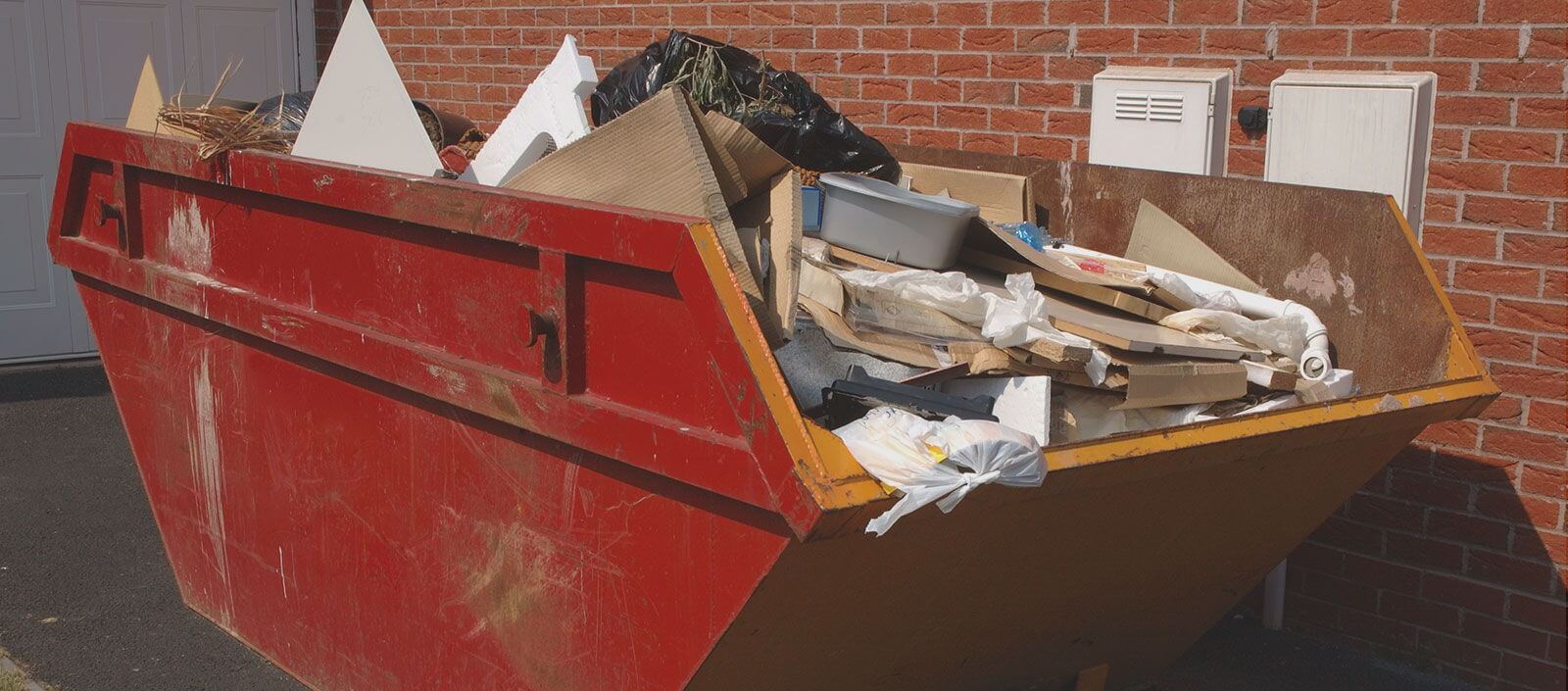
Skip alternative junk removal HA3 Harrow fast quotes
Posted on 06/06/2026
Skip alternative junk removal HA3 Harrow fast quotes: a practical guide for faster clearances in Harrow
If you need waste gone quickly and a skip feels like the wrong fit, Skip alternative junk removal HA3 Harrow fast quotes is exactly the kind of search people make when time, access, and convenience matter more than tradition. Maybe the road is tight. Maybe you do not want a skip sitting outside for days. Or maybe you just want the job handled without the headache of permits, lifting, and waiting around for a collection slot.
This guide breaks down how skip alternatives work in Harrow, what to expect from a fast quote, and how to choose the right option for your rubbish, furniture, builders' debris, or general household clutter. We will also cover the practical bits people often miss: pricing, compliance, safety, recycling, and which service type makes sense for different jobs. Truth be told, the right choice is usually simpler than people expect.
For a broader look at the range of help available, you may also find the services overview useful while you compare options.

Why Skip alternative junk removal HA3 Harrow fast quotes Matters
The appeal is pretty straightforward. A skip is useful in some situations, but it is not always the quickest or easiest way to clear waste in HA3 Harrow. A skip alternative can be better when you want waste collected directly, prefer a tidier street scene, or need help with lifting and loading. For many households and small businesses, that is the real issue: not just removing waste, but removing it without turning the day into a logistics project.
In a place like Harrow, access matters. Front gardens can be narrow, parking can be awkward, and some properties sit on streets where a skip could create unnecessary hassle. A fast quote helps you decide quickly whether a same-day or next-day collection is realistic, and what type of service suits the load. That matters if you are clearing a spare room before a delivery, emptying a garage before a renovation, or dealing with the aftermath of a busy move.
It also matters for money. A skip may look simple on paper, but once you add permit concerns, loading time, and the chance you have ordered the wrong size, it is not always the neatest solution. A skip alternative usually gives you more flexibility. You pay for the collection you actually need, not the space of a static container sitting outside.
If you are comparing pricing, the pricing and quotes page is a sensible place to understand how quotes are typically shaped and what information helps speed things up.
Expert summary: If you want rubbish removed quickly in Harrow, skip alternatives are often better when access is tight, the load is mixed, or you need help with handling and timing. Fast quotes matter because they let you match the right service to the right job without wasted calls or delays.
How Skip alternative junk removal HA3 Harrow fast quotes Works
Most skip alternative junk removal services follow a simple pattern. You describe the waste, share a few details about access, and receive a quote based on the amount, type, and ease of removal. Sometimes you send photos. Sometimes you list rough items. Either way, the aim is the same: reduce guesswork, then book a collection that fits the job.
Fast quotes are usually quicker than people expect because the service is built around responsiveness. Instead of waiting for a skip to be delivered and then filled at your own pace, the waste is taken away by a crew who handles the loading and transport. That means the quote needs to account for labour as well as disposal. Fair enough. That is one reason it can feel more "all-in" than a skip, even when the total cost is competitive.
For example, if you have a pile of old wardrobes, broken boxes, and a dismantled desk in a loft, the quote may reflect both the volume and the access. If it is a ground-floor garage clear-out, the process may be much faster. The better your description, the better the quote. A blurry estimate is fine for a first call, but a few clear details save everyone time.
Services often differ in how they handle different waste types. A general rubbish collection in Harrow might be suitable for mixed household items, while a more targeted service may fit furniture, white goods, garden waste, or builders' debris.
Typical flow:
- You share what needs removing.
- You explain access, floor level, and any heavy items.
- You receive a fast estimate or a firm quote, depending on the detail available.
- A time slot is booked, often same day or next day where possible.
- The team arrives, loads the waste, and clears the area.
Simple. No drama. Usually, anyway.
Key Benefits and Practical Advantages
Skip alternatives are popular because they solve a few everyday problems at once. They do not just remove rubbish; they remove friction. That can be the difference between a project that drags on for days and one that is finished before lunch.
- No skip permit headache: In many cases, you avoid dealing with a skip on the road or outside a property for longer than necessary.
- Quicker turnaround: Fast quotes and rapid collection make them ideal for urgent clearances.
- Labour included: You are not expected to lift everything yourself, which is a big deal with awkward furniture or heavy bags.
- Better for tight access: Terraced streets, narrow drives, and shared entrances are often easier to manage.
- More flexible volumes: You can book for a small amount or a larger mixed load without committing to a fixed skip size.
- Cleaner presentation: There is no large container sitting outside, which matters if you are in a busy residential area.
There is also a practical emotional benefit, if that makes sense. Clutter has a way of making a space feel heavier. Once the old sofa, the cracked cabinet, and the pile of "I'll deal with that later" finally leave the house, the whole room breathes a bit easier. You notice the light again. Sounds a bit poetic, maybe, but it is true.
For those wanting to separate waste streams more carefully, the site's recycling and sustainability guidance is worth a look because responsible disposal is part of the decision, not an afterthought.
Who This Is For and When It Makes Sense
This kind of service is useful for a wide range of people. The best way to think about it is not "Do I need junk removal?" but "Do I need a faster, simpler alternative to a skip?" That small shift helps.
It makes sense for:
- Homeowners clearing clutter: old furniture, boxes, loft contents, garage waste, and general domestic rubbish.
- Landlords and letting agents: end-of-tenancy clearances, abandoned items, or quick turnaround between occupants.
- Trades and renovators: light builders' waste, stripped fixtures, packaging, or renovation offcuts.
- Small offices and shops: desks, shelving, archive waste, and unused equipment.
- People planning a move: when the aim is to travel lighter, not rent a skip for a week.
- Anyone with limited time: perhaps a busy school run, a workday, or a property handover deadline.
It may be less suitable if you have a very large, continuous stream of heavy waste and need a static container over several days. In that case, a skip can still be a fair option. But for many one-off or mixed-load jobs in HA3, skip alternatives are simply more practical.
If your clear-out involves a whole property, you may want to compare it with house clearance in Harrow or, for smaller domestic jobs, domestic waste collection.
Step-by-Step Guidance
If you want fast quotes without back-and-forth, use a simple process. It sounds basic, but it works surprisingly well.
- List the waste honestly. Include the obvious items first: furniture, bags, boxes, appliances, timber, garden cuttings, or renovation rubble.
- Estimate the volume. A single item is easy. A mixed pile in a spare room is harder. Mention whether it is a few items, half a room, or a full clearance.
- Describe access. Ground floor? Loft? Basement? Narrow stairs? Parking restrictions? These details matter more than people think.
- Add photos if asked. A quick photo is often enough to prevent misunderstandings and speed up the quote.
- Check what is excluded. Some waste types need special handling, so be specific if you have electricals, paint, or other awkward materials.
- Confirm timing. If you need same-day service, say so early. Don't bury the urgent bit at the end of the message.
- Ask how loading works. Some services include full labour; others expect waste to be in a certain place. Make sure you know which.
- Book only once the quote is clear. A fast quote should still be understandable. Fast does not mean fuzzy.
A small tip from experience: group waste into categories before you request the quote. Put furniture together, bagged rubbish together, and garden waste together. Even a rough sort helps the pricing conversation move faster. And yes, it makes the job itself easier too.
Expert Tips for Better Results
There are a few practical habits that make these jobs smoother, especially if you want the best chance of a quick quote and a straightforward collection.
- Be clear about heavy items: One old wardrobe is not the same as four wardrobes and a freezer. Weight changes the quote and the handling plan.
- Separate reusable items early: If something can be donated, sold, or reused, pull it out before the collection day.
- Keep access paths clear: Hallways, front paths, and stairwells should be clear enough for safe lifting.
- Ask about timing windows: If you are juggling work or school pickup, a narrow arrival window can be a lifesaver.
- Use local context: In Harrow, parking and loading access can change from one street to the next, so mention the exact access situation rather than assuming it will be obvious.
One thing people often forget: if you are clearing an office, shop, or shared building, the quote may need to take building rules into account. That is where a service like office clearance in Harrow or commercial waste removal may be more appropriate than a general household collection.
Also, keep an eye on what you are paying for. A slightly higher quote can still be better if it includes labour, sorting, disposal, and transport. Cheap is not always cheap. You know how that goes.

Common Mistakes to Avoid
Most problems are avoidable, which is good news. The tricky part is that the mistakes often happen before the team even arrives.
- Undervaluing the volume: A "small pile" can turn out to be two vans' worth of waste.
- Leaving out access details: If the team cannot park nearby or the property has narrow stairs, the quote may change.
- Mixing in restricted items without warning: Electricals, fridges, and certain hazardous materials need to be declared early.
- Assuming all junk is treated the same: Garden waste, builders' debris, and furniture often follow different disposal routes.
- Not checking what happens on arrival: Some services want waste ready at the curb; others will collect from inside the property.
- Choosing only on headline price: If the quote is too vague, you may end up paying more later in time or add-ons.
Another common one: people wait until the end of a renovation to request a quote, then wonder why the job feels chaotic. If you know the clear-out is coming, get the quote earlier than you think you need it. A little planning saves a lot of scrambling.
Tools, Resources and Recommendations
You do not need fancy tools to prepare for skip alternative junk removal, but a few basics make the process smoother and the quote more accurate.
- Phone camera: A few clear photos from different angles are often enough.
- Tape measure: Useful for bulky furniture or awkward spaces, especially lofts and hallways.
- Gloves and sturdy bags: Handy if you are sorting loose rubbish before collection.
- Basic label notes: A quick note saying "keep", "go", or "recycle" can save time during a clearance.
- Calendar reminder: Helps you prepare access and avoid last-minute surprises.
For a full view of related waste streams, these pages are worth considering if your job is more specific:
- furniture removal for larger household items
- furniture disposal for broken or unwanted pieces
- white goods and appliance disposal
- garden waste removal for outdoor clear-ups
- builders' waste disposal for renovation debris
If you are still deciding whether a service is right for you, the about us page can also help you understand the practical approach behind the service, which is often reassuring when you are comparing options.
Law, Compliance, Standards, or Best Practice
Waste removal in the UK comes with responsibilities, and it is worth being careful here. You do not need to become a compliance expert, but you should know enough to avoid trouble.
One of the most important checks is whether the waste carrier is properly licensed and follows lawful disposal practices. In plain English: your rubbish should go to the right place, be handled appropriately, and not be fly-tipped somewhere else. If a price looks suspiciously low, ask questions. Very low quotes can sometimes hide poor disposal practices, and that is not a risk worth taking.
For peace of mind, look at the site's waste carrier licence and compliance information, as well as the insurance and safety page. Those two areas matter more than flashy wording or vague promises.
Best practice also includes:
- being truthful about the waste type
- not leaving prohibited or hazardous materials hidden in the load
- allowing safe access for lifting and transport
- checking any relevant building, parking, or neighbour considerations before collection
- understanding that electrical items, bulky furniture, and mixed waste may require different handling
If you are a business customer, documentation and payment transparency matter too. The pages on payment and security and terms and conditions can help set expectations before anything is booked. There is also a useful modern slavery statement for readers who want reassurance that ethical standards are being considered seriously, not just mentioned in passing.
Options, Methods, or Comparison Table
Choosing between a skip and a skip alternative often comes down to access, speed, and how much help you want. The table below gives a practical comparison.
| Option | Best for | Pros | Trade-offs |
|---|---|---|---|
| Skip hire | Large DIY jobs, longer projects, waste you can load yourself | Good for ongoing work, simple concept, can handle a lot | Needs space, may need a permit, can sit outside for days |
| Man and van style junk removal | Quick clearances, mixed loads, awkward access | Fast, flexible, labour included, less street clutter | Usually scheduled for a specific time and quote depends on access |
| Targeted collection service | Furniture, appliances, garden waste, office clear-outs | More tailored, often more efficient for specific waste types | Less suitable if you want a one-size-fits-all approach |
To be fair, there is no universal winner. A builder stripping a kitchen may be perfectly happy with a skip, while a family clearing a garage before a house move may prefer a fast collection with no waiting around. It depends on the job, not the marketing.
Case Study or Real-World Example
Here is a realistic local scenario. A household in HA3 has been living with a spare room full of old items for months: two broken bookcases, a mattress, several bags of mixed clutter, and a couple of awkward boxes from a loft that nobody wants to reopen. They are expecting new furniture on Friday morning. There is no room for delay.
They request a fast quote with photos. The access note mentions a narrow staircase and on-street parking, which helps avoid surprises. The service suggests a collection slot the next day. Because the waste is mixed and the loading will be done by the crew, the family does not have to recruit a neighbour, hire a skip, or spend the evening dragging things outside in the drizzle. Very London, really.
The practical win is not just speed. It is the fact that the room becomes usable again without the stress of coordinating multiple steps. The family can prep the room, clear the route, and let the team handle the rest. That is what most people actually want: less admin, less mess, and a result that feels immediate.
If the same household had only needed a few items gone, a simpler domestic collection might have been enough. If the job had involved an entire property, a more comprehensive house clearance could have been the smarter route. Matching the service to the job is half the battle.
Practical Checklist
Use this quick checklist before you request a quote or book a collection.
- Identify what needs removing
- Separate reusable items, if possible
- Estimate the amount of waste honestly
- Take a few clear photos
- Note access issues, stairs, parking, or time restrictions
- Tell the provider about any heavy or unusual items
- Ask what is included in the quote
- Confirm whether labour, loading, and disposal are covered
- Check for compliance and insurance information
- Prepare the route so the team can work safely
A small bit of preparation makes the whole process smoother. Not glamorous, but it works.
Conclusion
Skip alternative junk removal in HA3 Harrow is really about convenience, speed, and fit. If you need waste cleared quickly, do not have the space or patience for a skip, or simply want a more hands-on service, fast quotes give you a better starting point. They help you compare options with less guesswork and choose a service that matches the actual job, not an idealised version of it.
The best results usually come from being clear, honest, and specific. Share what needs removing, explain access, and ask the right questions early. That way, you avoid delays, reduce surprises, and get a much cleaner outcome. Simple, really. And once the clutter's gone, the place feels lighter almost immediately.
Get a free quote today and see how much you can save.
If you are still narrowing down the best fit, a final browse through the site's service options and quote guidance can make the next step feel a lot less daunting. And once the job is done, it is a good feeling. Quiet, useful, and gone.