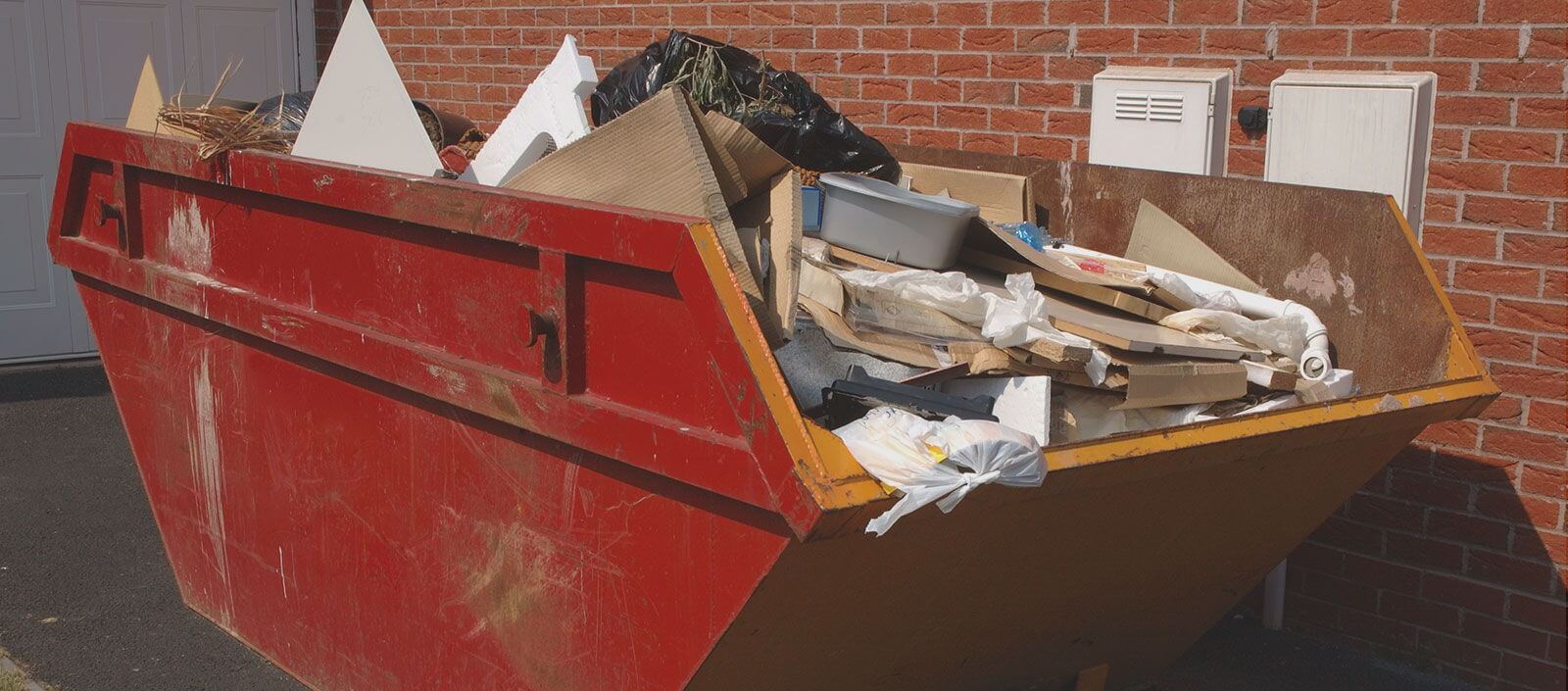
Harrow School event rubbish plan and clearance services
Posted on 24/06/2026
Harrow School Event Rubbish Plan and Clearance Services: A Practical Guide for Smooth, Clean Events
Event rubbish has a way of multiplying when nobody is looking. One minute the hall is tidy, the next you have paper cups, food trays, cardboard, broken decorations, and a few bags of "we'll deal with it later" stacked near the exit. If you are planning a school function, open day, sports evening, parents' event, concert, fundraiser, or end-of-term celebration, a sensible Harrow School event rubbish plan and clearance services setup can make the difference between a calm finish and a messy scramble.
This guide explains what a good waste plan looks like, how clearance support works in practice, who it is for, and what to watch out for. We will also cover compliance, timings, container choices, and a simple checklist you can actually use. No fluff. Just the kind of detail that helps when the event is over and the bins are full.
Why Harrow School event rubbish plan and clearance services Matters
School events are not like everyday domestic clear-ups. They create concentrated waste in a short window, often across multiple spaces at once: classrooms, corridors, assembly halls, playgrounds, staff rooms, marquees, kitchens, and car parks. That means the waste is not just "more of the same"; it is often mixed, time-sensitive, and awkward to move if the event is still live.
A proper rubbish plan reduces disruption. It keeps walkways safe, stops bins from overflowing, and helps staff or volunteers avoid spending half the evening carrying heavy bags through the building. It also protects the school's image. Let's face it, nothing says "well organised" like a clean exit at the end of an event. Nothing says the opposite quite so quickly either.
There is also a sustainability angle. Schools increasingly want to separate recyclable material from general waste, especially where there is a lot of packaging, drinks containers, cardboard, or leftover food. Planning for that in advance makes the clean-up simpler and usually less wasteful.
For readers who want a broader sense of local waste support and service options, the services overview is a useful place to understand how different collection and clearance jobs can be organised.
How Harrow School event rubbish plan and clearance services Works
In practical terms, the process has two parts: planning and removal. The plan is about predicting the waste before the event starts. Clearance is about collecting, sorting, loading, and taking it away safely once the event ends.
A good provider will usually help with a site assessment or at least a detailed booking conversation. You describe the event type, expected attendance, food and drink setup, access points, and any awkward items such as stage boards, broken furniture, display materials, or old event equipment. From there, the collection method is matched to the job.
Some events only need a same-day rubbish collection at the end of the evening. Others need a staged approach: bins or containers during setup, a midway clear-out if the event spans a whole weekend, then final clearance afterwards. In a school setting, that staged approach is often much easier than hoping a few sacks will do the trick. They usually don't.
If the event includes heavy or bulky items, it may be sensible to combine the event clean-up with another service. For example, old tables, donated furniture, or worn display units can sometimes be handled alongside furniture removal in Harrow or broader furniture disposal support depending on what needs to go.
The right approach also depends on access. School gates, narrow paths, shared parking, and safeguarding rules can all affect when a team can arrive and how quickly waste can be taken out. That is why event rubbish planning works best when arranged early, not on the morning after with everyone exhausted and looking at each other.
Key Benefits and Practical Advantages
The biggest benefit is simple: the event runs more smoothly. But there are several other advantages that are easy to overlook until you are in the middle of a tidy-up with no room left for another bin bag.
- Cleaner exits and safer walkways - Less clutter means fewer trip hazards for pupils, parents, staff, and visitors.
- Faster turnaround - Rooms can be reset sooner for lessons, meetings, or the next booking.
- Better waste separation - Recyclables can be kept apart from mixed rubbish where practical.
- Less pressure on staff and volunteers - People can focus on the event itself instead of carrying waste around at the end.
- More professional presentation - Especially useful for open days, performances, charity events, and parent evenings.
- Less risk of missed waste - Items left in cupboards, corners, under tables, or outside staging areas are easier to spot and clear.
There is also a budget benefit, even if it is not obvious at first. A well-planned clearance is usually more efficient than multiple last-minute collections. Fewer delays. Fewer panic calls. Less guesswork. The day after the event already feels long enough, so any system that saves time is worth paying attention to.
For events that produce a wider range of waste, it can help to think beyond the school building itself. A garden fete, sports day, or outdoor performance may generate green waste, packaging, and damaged outdoor items. In those cases, pairing the event plan with garden waste removal in Harrow or builders waste disposal in Harrow can be the neatest route, depending on the materials involved.
Who This Is For and When It Makes Sense
This kind of support is useful for more than the obvious big events. It is not only for school fairs with glitter, stalls, and bunting everywhere. You may need it for a smaller event too, especially if you want the site to be fully cleared without burdening staff.
- School leadership teams managing whole-site events or back-to-back bookings
- Premises and site managers who need a reliable post-event reset
- PTA and fundraising committees organising seasonal fairs, raffles, and evening functions
- Teachers and support staff overseeing performances, award evenings, or open days
- Facilities teams dealing with temporary furniture, signage, packaging, or display materials
- Event organisers hired to manage school functions on a tight timetable
It makes sense whenever waste is likely to spill beyond a few standard bins. That might be because of scale, because the event is indoors and outdoors, or because there are heavy and awkward items to move. If you have ever seen a stack of wet cardboard after an evening downpour, you will know why planning matters. It goes soggy fast, and then it becomes a much more miserable job.
Schools in the local area also sometimes combine event clearance with other practical jobs, such as clearing storage rooms or replacing old items after term ends. In those cases, the same planning mindset applies, and services like house clearance and office clearance can be relevant if the job extends beyond one event space into admin areas, storage, or staff rooms.
Step-by-Step Guidance
If you are building a rubbish plan for a Harrow school event, keep it straightforward. Fancy diagrams are nice, but what you really need is a practical sequence everyone can follow.
- Estimate the waste types
Think about food packaging, paper, cardboard, banners, disposable cups, drinks bottles, broken decor, and any bulky items. A raffle night is different from a summer fair. A concert is different again. - Map the collection points
Place bins where people naturally gather, not in forgotten corners. If guests have to hunt for a bin, they usually just set the rubbish down nearby. Human nature, really. - Separate what can be recycled
Use clear labels if possible. Keep cardboard, plastics, and general waste apart where the setup allows. If food waste is involved, decide in advance how it will be handled. - Check access and timings
Decide who can access gates, when vehicles can arrive, and whether clearance must happen before pupils return the next morning. The last point sounds obvious, yet it is one of the easiest things to forget. - Book the right clearance method
Choose between one-off collection, staged removal, or a larger planned clearance depending on size and waste volume. - Brief staff or volunteers
Make it clear who monitors bins, who moves full sacks, and who signs off the final sweep. Clarity saves time later. - Do a final walkthrough
Check under tables, behind stalls, along fences, in toilets, and near loading points. Little bits hide everywhere.
One helpful habit is to create a "last 15 minutes" routine. Put it in writing. A quick sweep, bottle check, bin bag tie-off, and corner inspection. It sounds small, but it catches half the mess before it becomes tomorrow morning's problem.
Expert Tips for Better Results
After enough clean-ups, a few patterns become obvious. The best event rubbish plans are not necessarily the biggest or most expensive. They are the ones that are calm, specific, and prepared for the awkward stuff.
Expert summary: treat event waste like part of the event design, not an afterthought. If you only think about rubbish at the end, you usually pay for that oversight in time, stress, or both.
Here are a few practical tips that genuinely help:
- Use clear signage near bin stations - simple wording beats clever wording every time.
- Overestimate slightly - one extra collection point is usually better than one overflowing bin.
- Keep heavy and light waste separate - cardboard crushed under wet food waste is a grim little job.
- Protect floors and entrances - mats, sheets, or runners can stop mess being dragged through the building.
- Plan for rain - outdoor events in the UK can change character very quickly, especially at the wrong moment.
- Match the removal to the waste - bulky items, mixed rubbish, and recyclable material should not all be handled the same way if you can avoid it.
It is also worth talking early about payment and booking details so there are no surprises. The team managing the event often has enough on their plate already. A clear process matters. If you want to understand booking flow and transaction expectations, payment and security information can help set expectations before the day arrives.
And yes, one more small thing: label the skips, sacks, or containers in plain English. Nobody enjoys standing in the dark trying to decide whether a bag is recycling or general waste. Not glamorous, but practical.
Common Mistakes to Avoid
Most problems come from assuming the event will generate less waste than it does. That is the classic one. It happens at schools, offices, homes, everywhere. "We only need a couple of bins" is a phrase that has caused more friction than it should.
- Leaving planning too late - by then, the best collection windows may already be gone.
- Mixing everything together - recycling becomes much harder if waste streams are not separated from the start.
- Ignoring access routes - if a vehicle cannot get near the drop-off point, waste handling slows down fast.
- Forgetting bulky items - display boards, broken chairs, props, and packaging can take over a space surprisingly quickly.
- Not checking what can be collected - special items, electricals, and certain waste types may need separate handling.
- Leaving the final sweep to "someone later" - later often means never, or at least not before breakfast the next day.
There is another subtle mistake: planning the rubbish side without thinking about the day-after repair work. A good event leaves the school ready for lessons, not merely empty. That includes indoor floors, outdoor spaces, and storage rooms. If you need a broader cleanup once an event ends, a general rubbish collection in Harrow can be a sensible fallback when you just need things gone promptly and properly.
Tools, Resources and Recommendations
You do not need a mountain of equipment. In fact, too many tools can create confusion. A small, well-chosen set is usually enough.
- Clearly labelled bins for general waste, recycling, and food waste where suitable
- Heavy-duty sacks for bagged rubbish that needs moving quickly
- Trolleys or sack trucks for awkward loads and repeated trips
- Bin bags in the right size so staff are not overfilling or double-bagging everything
- Gloves and basic PPE for handling waste safely
- A printed event waste checklist so the plan does not live in one person's head only
For schools that host multiple events through the year, it helps to keep a reusable waste plan template. Update it for each function rather than starting again every time. That little bit of organisation saves more effort than people expect.
In some cases, the best recommendation is to simplify the whole arrangement. If the event includes donations, old stock, furniture, or seasonal items, it may be easier to book a broader clearance job rather than trying to manage several small collection jobs separately. The right answer is usually the one that keeps the site calm.
For readers comparing different approaches, the practical differences between one-off collection and scheduled clear-outs are often discussed alongside waste removal in Harrow and related service options. Those pages can help frame what the work actually involves.
Law, Compliance, Standards, or Best Practice
For schools, compliance is not just a box-ticking exercise. Waste needs to be handled responsibly, and the people collecting it should be properly authorised. In the UK, the broad expectation is that waste is transferred, transported, and disposed of by competent parties who can demonstrate lawful handling. Schools should always be careful when choosing a provider and should not hand waste to anyone who cannot show the right credentials.
Best practice also means keeping records where appropriate, especially for larger or repeat collections. That may include what was collected, when it left the site, and who handled it. It sounds a bit formal, and fair enough, but it protects the school if anything is queried later.
Health and safety matters too. Waste should not block fire exits, corridors, or assembly points. Broken glass, sharp packaging, heavy sacks, and electrical items all need sensible handling. A school event can be busy and noisy, and that is precisely when small hazards get missed.
If you want to understand the kind of operational care expected from a responsible provider, the insurance and safety information is worth reading alongside the service discussion. It helps build confidence before booking anything important.
There is also a sustainability angle in compliance and best practice. Responsible disposal should aim to divert recyclable materials where that is practical, without pretending every item can be recycled. Sometimes people ask for perfection, but real-world waste streams are mixed. Honest planning beats rosy assumptions.
Options, Methods, or Comparison Table
If you are deciding how to handle school event waste, the best option depends on time, access, waste volume, and how hands-on the school team wants to be. Here is a simple comparison.
| Method | Best for | Pros | Watch-outs |
|---|---|---|---|
| Standard bin-based event plan | Small to medium events with manageable footfall | Low complexity, easy to brief staff | Can overflow if attendance is underestimated |
| Staged collection during the event | Longer events, fairs, weekend programmes | Keeps site tidy throughout the day | Needs better coordination and access control |
| Post-event clearance service | School functions with a large final clean-up | Fast reset after the event ends | Works best if waste is already grouped sensibly |
| Combined clearance and bulky removal | Events with props, furniture, or old equipment | One visit can solve several problems | Needs accurate item listing before booking |
In many schools, the most efficient solution is a mix: waste stations during the event, then a targeted collection afterwards for the heavier leftovers. If you are comparing wider rubbish-removal approaches, a post-event solution often pairs well with commercial waste removal in Harrow for larger or repeat-use sites.
Case Study or Real-World Example
Picture a Friday evening school concert. The hall is full, there is a refreshments table in the corner, programme sheets everywhere, and a few cardboard display boards near the stage. By 9:30 pm, the applause is over, parents are heading out, and the clean-up begins. If there is no waste plan, people start asking the same question: where does this go?
In a well-run version of that event, the school has already placed bins near refreshments, clearly marked recycling bags, and a small loading route agreed in advance. Volunteers know not to pile waste against fire exits. The site team has a collection slot booked for after the last guests leave. By the next morning, the hall is empty, the floors are clear, and the event did not roll over into Monday.
Now compare that to the less tidy version. Bags hidden in corners. Cardboard flattened badly. A broken chair left behind because "someone else was dealing with it." The morning after becomes a discovery exercise nobody enjoys. That is exactly why a proper rubbish plan is worth the effort. It turns a stressful afterthought into a manageable process.
For some local clean-up jobs after events, especially where there are mixed items or bulky leftovers, schools may also look at skip alternative junk removal in Harrow as a practical comparison point when they want a fast, flexible clearance without overcommitting to the wrong setup.
Practical Checklist
Use this checklist before the event starts, and again before the final clear-up. It keeps things grounded.
- Estimate the number of guests and the likely waste volume
- Identify all waste types: general, recyclable, food, cardboard, bulky items
- Place bins where people will actually use them
- Brief staff and volunteers on what goes where
- Confirm access routes for collection or clearance vehicles
- Make sure full bags have a safe temporary holding area
- Check for special items such as broken furniture or electricals
- Schedule the collection time so it does not clash with school movement
- Do a final sweep of corners, storage spaces, and outdoor areas
- Keep notes for next time, because next time comes around quickly
Quick practical takeaway: if the event is bigger than a small classroom gathering, treat waste planning as part of the event's core logistics. Not a side job. Not a "we'll see." A real part of the plan.
Get a free quote today and see how much you can save.
Conclusion
A well-designed Harrow School event rubbish plan and clearance services setup does more than remove bags at the end of the night. It protects safety, helps staff stay focused, keeps the school looking professional, and makes the whole event feel calmer from start to finish. That is the real value here.
Whether you are planning a small parent evening or a full community fundraiser, the same principle applies: think ahead, keep the waste streams simple, and choose a clearance approach that matches the event rather than forcing the event to match the rubbish. Small detail, big difference.
If you build the plan properly, the clean-up stops feeling like a problem and starts feeling like the final, easy step in a well-run day. And honestly, that is a lovely way to end an event.