Harrow council fines for rubbish disposal rules
Posted on 22/10/2026
Harrow council fines for rubbish disposal rules: what residents need to know
If you have ever left a black bag beside a overflowing bin, put out a mattress a day too early, or wondered whether that old sofa can just sit on the pavement "for a bit", you are not alone. Harrow council fines for rubbish disposal rules can feel confusing until you actually need to deal with them. Then it becomes very real, very quickly.
This guide breaks down how the rules usually work, what kinds of behaviour can lead to a fixed penalty or other enforcement action, and the practical steps you can take to avoid trouble. We will also look at the real-world side of things: what people often get wrong, when council collection is not enough, and how to dispose of waste in a way that is legal, tidy, and just less stressful. Because let's face it, rubbish is annoying enough without a fine landing on the mat.

Why Harrow council fines for rubbish disposal rules Matters
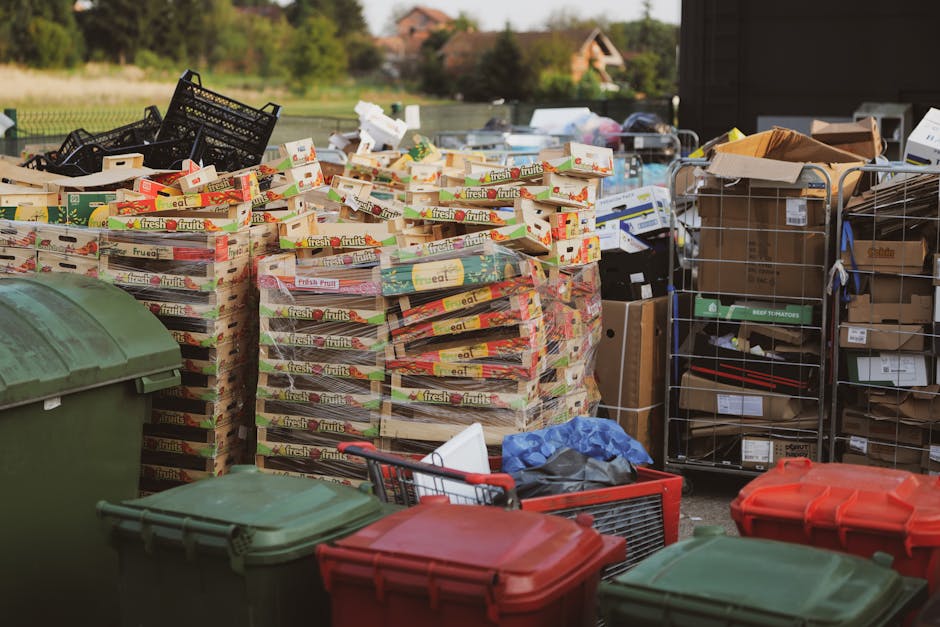
Waste rules are not just about keeping streets looking decent, although that matters too. They are about public health, pest control, road safety, access for pedestrians, and preventing fly-tipping from becoming everyone else's problem. In a busy part of London, one badly placed bag can quickly become a bigger issue: scavenged litter, blocked pavements, complaints from neighbours, and sometimes a council officer taking notice.
Harrow council fines for rubbish disposal rules matter because the council needs residents and businesses to use the right disposal route, at the right time, and in the right way. If waste is dumped improperly, the cleanup cost often ends up being higher than people expect. That is the part many forget. A small shortcut today can create a much more expensive headache later.
There is also a fairness angle. Most residents do the right thing. They separate waste, put bins out correctly, and arrange collections when needed. So when someone leaves waste in the wrong place, it affects everyone else on the street. You can hear it in the complaints: "Why should we all put up with this?" Fair question, really.
Key takeaway: The safest approach is simple: know the collection rules, keep waste contained, and arrange legal disposal before rubbish becomes an issue on the pavement or in the alley.
For larger clearances, many people also look at proper disposal services rather than trying to piece together the job themselves. If you need a broader overview of what local collection and clearance can cover, the services overview is a useful place to start.
How Harrow council fines for rubbish disposal rules Works
The exact enforcement process can vary depending on the circumstances, but the basic pattern is usually straightforward. If waste is left out improperly, dumped illegally, or handled in a way that breaks local rules, the council may investigate and decide whether to issue a warning, a fixed penalty, or another enforcement measure.
That can apply to household rubbish, bulky items, garden waste, builder's debris, and even commercial waste if it has been handled badly. It is not always dramatic. Sometimes the issue is as ordinary as bags being left too early, bins overflowing, or loose rubbish blowing into the road on a windy morning. And in Harrow, as in many boroughs, one person's "I'll sort it later" can become a local nuisance very quickly.
Common situations that can lead to enforcement
- Leaving bags or loose waste on the street instead of inside the correct container.
- Putting bins out on the wrong day or too far in advance.
- Blocking pavements, driveways, or shared access routes with rubbish.
- Dumping furniture, appliances, or builders' waste without proper arrangement.
- Handing waste to someone who is not properly authorised to take it away.
- Using the wrong disposal method for commercial or trade waste.
In practical terms, enforcement is often about evidence and context. Officers may photograph the waste, inspect labels, or look for signs linking rubbish to a household or business. That is one reason why "it was not mine" is not always an easy defence if the bag contains personal correspondence or packaging with your address on it. Annoying, but true.
If you are dealing with bulky items, it helps to understand the local rules before anything is set out. A useful related guide is the article on council rules for bulky waste in Harrow, which covers the sort of things people often get wrong.
How penalties typically escalate
While every case is different, councils generally prefer compliance first and punishment second. That means a pattern like this is common:
- Initial observation or complaint.
- Review of the waste and surrounding circumstances.
- Warning or notice in less serious cases.
- Fixed penalty or other enforcement where there is clear non-compliance.
- Further action if the issue continues or the dumping is significant.
That progression matters because the best way to avoid a fine is not some clever loophole. It is simply to keep waste in the system that is meant for it. A bin, a booked collection, a licensed carrier, or an authorised recycling route. No drama, no guesswork.
Key Benefits and Practical Advantages
A lot of people think rubbish rules are just about avoiding a penalty. That is part of it, yes, but the practical advantages go further than that. If you get the disposal process right, the whole household or business runs more smoothly. Less clutter, fewer complaints, fewer pests, and less risk of an awkward letter from the council.
- Lower risk of fines: Clear, correct disposal is the simplest defence against enforcement.
- Cleaner kerbside appearance: Neighbours notice when waste is controlled and removed properly.
- Less stress: No last-minute panic about what can or cannot go out.
- Better recycling: The right sorting and disposal route can reduce landfill use.
- Safer access: Footpaths, driveways, and shared areas stay usable.
- Fewer pest issues: Rubbish that is not left exposed is less likely to attract rodents or birds.
There is also a time-saving benefit people underestimate. If you clear out waste in one planned pass, you avoid the miserable little cycle of moving it from room to hallway to front garden and back again. We have all seen that awkward pile by the door. It starts as "temporary" and then lives there for three days. Not ideal.
For bigger household clearances, using a proper collection route can be much more efficient than trying to arrange several tip runs. Services like house clearance in Harrow or local rubbish collection are often easier when time, access, or volume is an issue.
Who This Is For and When It Makes Sense
This topic matters to more people than you might expect. It is not only for landlords, builders, or business owners. Everyday households in Harrow are just as likely to run into problems, especially when moving home, clearing a loft, replacing furniture, or sorting garden waste after a weekend of work outside.
Homeowners and tenants
If you are a resident, the main concern is usually household waste, bulky items, and the timing of collections. Tenants should also be careful because waste left outside can still create responsibility issues, even if the flat is rented. The council will usually look at the waste itself and the situation around it, not just who paid the rent.
Landlords and letting agents
Empty properties are a classic flashpoint. A tenant moves out, rubbish gets left behind, and suddenly the front of the property looks neglected. In those situations, acting fast matters. A short delay can turn a tidy clear-up into a neighbour complaint. Truth be told, no one likes a property that advertises neglect from the pavement.
Small businesses and offices
Businesses need to think about duty of care, commercial waste arrangements, and how often waste is removed. Overflowing bins outside shops, cafes, or offices are not just ugly; they can be taken as evidence that the waste system is not being managed properly. For business premises, commercial waste removal in Harrow is often a more reliable option than trying to manage a patchwork of ad hoc disposal methods.
Builders, decorators, and trades
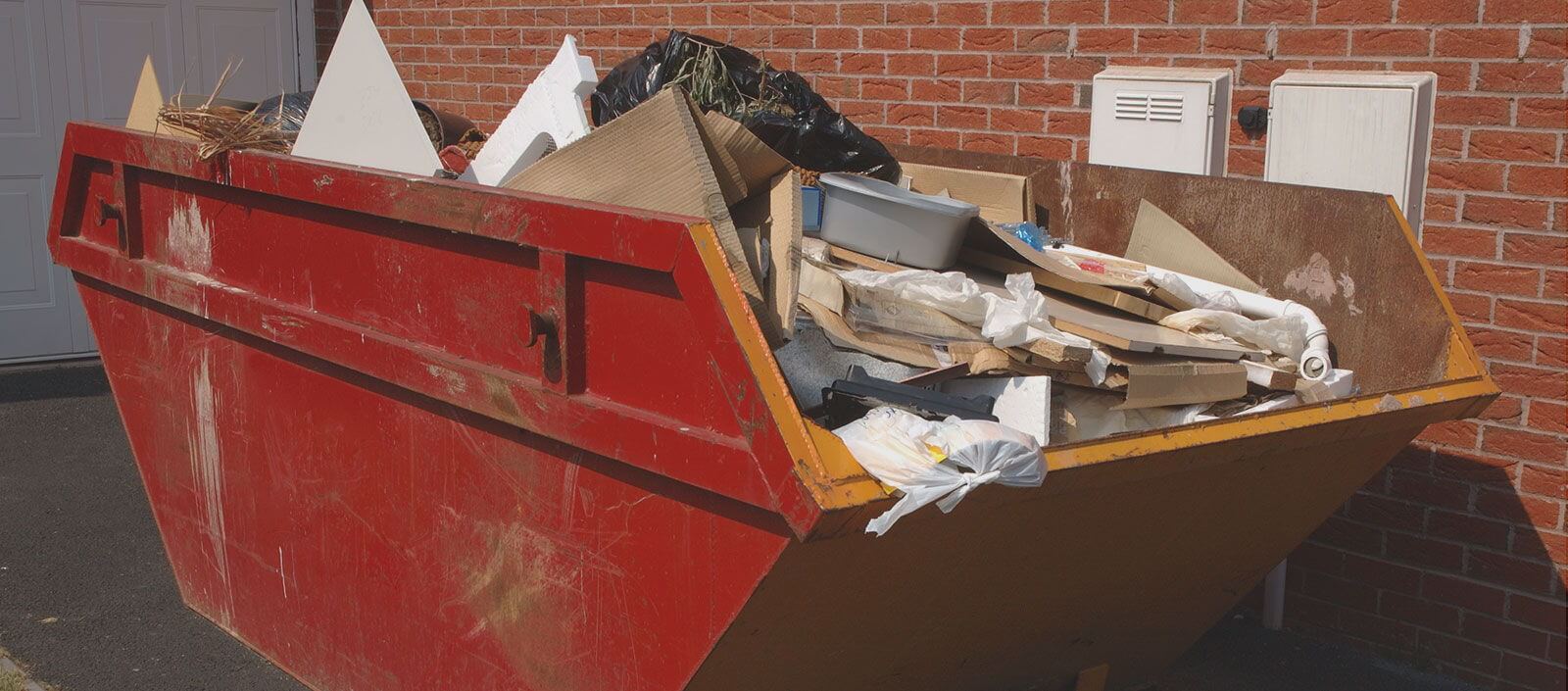
Construction and refurbishment waste creates its own complications. Plasterboard, timber, packaging, broken fixtures, and mixed rubble all need to be handled carefully. If waste is left in bags by the road or piled up beside the property, it can trigger complaints very quickly. A better route is usually to organise a proper service such as builders waste disposal in Harrow.
Sometimes people only realise they need help when the space is already tight and the road is busy. Narrow streets, terraced homes, and limited parking can all make waste removal awkward, so planning ahead matters more than it first appears.
Step-by-Step Guidance
If you want to avoid issues with Harrow council fines for rubbish disposal rules, the process is less complicated than it sounds. Keep it practical and you will usually be fine.
Step 1: Identify what you need to throw away
Start by separating household rubbish, recycling, bulky items, garden waste, and any special items like appliances or sharp materials. This sounds basic, but it helps you decide the right disposal route. A bit of sorting at the start saves a lot of confusion later.
Step 2: Check whether it fits your usual collection
If it is ordinary household waste, your normal bin or collection may be enough. If it is too large, too heavy, or not accepted in the regular stream, it needs another route. Do not just leave it beside the bin and hope for the best. Councils tend not to be impressed by optimism.
Step 3: Arrange the correct collection method
For bulky waste, garden waste, white goods, or mixed rubbish, choose a service that matches the load. For example, an appliance should not be left out as if it were general refuse. A sofa should not be folded into a black bag situation that clearly, obviously, is never going to work.
Step 4: Keep waste secure until it is collected
Store waste safely on your property until collection day. Keep bags closed, avoid overfilling, and do not place items where they can blow away or block access. On a wet morning, loose cardboard can turn into a slippery mess fast.
Step 5: Put items out at the right time
If you are using a council or arranged collection, follow the timing instructions closely. Early placement is one of the easiest ways to attract attention or inconvenience neighbours. Late placement can mean missed collection. Both are annoying. Both are avoidable.
Step 6: Keep proof of your arrangement
Save booking confirmations, receipts, and any messages from the service provider. If there is ever a question about whether waste was legally handled, records can help. This is especially sensible for businesses and landlords, where accountability matters more.
If you need quick removal in a busy part of the borough, it may help to look at same-day waste collection in HA1 or the guide to fast same-day rubbish removal in Harrow town centre. Those pages can help you think through urgent situations without cutting corners.
Expert Tips for Better Results
Here is where experience really helps. The fine itself is only one part of the story. The real win is getting into habits that make non-compliance unlikely in the first place.
- Keep a small waste routine: A 10-minute sort each week is much easier than a full-day clear-out after months of build-up.
- Use the right bin size: Overflowing bins are often a sign that the system is too small, not that people are careless.
- Separate bulky waste early: If it will not fit in a bin, treat it as a separate disposal task from the start.
- Ask before you dump: If in doubt, check whether the item needs special handling. That one phone call can save a lot of trouble.
- Book sooner than you think: Waiting until the day before a clear-out usually creates rushed decisions.
- Protect shared spaces: If you live in a terrace or block, think about neighbours and access as part of the plan.
One practical observation: most waste problems do not begin with a giant mess. They begin with one bag, one old chair, one "I'll sort it tomorrow" moment. Then the pile grows. Not glamorous, but very common.
If the item is reusable or in decent condition, explore reuse or donation first. If that is not realistic, the safer option is to use a proper disposal route. For instance, furniture and white goods often need dedicated handling, so pages like furniture disposal in Harrow and white goods and appliance disposal may be more appropriate than general rubbish collection.

Common Mistakes to Avoid
Most penalties and complaints come from a handful of repeat mistakes. The good news is that they are all avoidable once you know what to look for.
1. Leaving waste outside too early
This is one of the easiest errors to make and one of the easiest to prevent. Early placement can lead to scattered litter, complaints, or a missed collection if the item gets moved.
2. Assuming every item can go in the normal bin
Large furniture, electrical items, mattresses, and building waste often need separate handling. Putting them out with general rubbish is a shortcut that tends to backfire.
3. Using an unlicensed or unclear waste operator
If someone offers to take rubbish away cheaply but cannot show proper credentials, that is a red flag. If the waste is later dumped somewhere else, the trail can come back to you. That is the part people regret.
4. Mixing business waste with household waste
Commercial waste has different expectations. A business that quietly adds office rubbish to household bins may think no one will notice, but mixed waste management is a common source of enforcement problems.
5. Ignoring access issues
Narrow streets, shared entrances, and parked cars can make collection tricky. If you do not plan for access, waste may end up sat outside longer than intended. Then the clock starts ticking.
6. Leaving waste "temporarily" in communal areas
Hallways, front gardens, bin stores, and shared stairwells are not great holding zones. Waste tends to look worse the longer it sits, and neighbours will not always be patient.
Tools, Resources and Recommendations
You do not need fancy equipment to comply with rubbish rules. But a few simple tools and habits can make the whole thing easier.
- Strong bin bags: Use bags that actually hold up to movement and weather.
- Labels or notes: Handy when separating items for collection or sorting household clear-outs.
- Measuring tape: Useful for bulky items, especially if you are checking whether they will fit through doors or into a vehicle.
- Gloves and basic protective gear: Good for broken items, sharp edges, and awkward loft finds.
- Phone reminders: Simple, but effective for bin day and booking times.
As a recommendation, keep a standing plan for waste rather than treating it as an emergency every time. That could mean having a designated storage spot, a note of collection days, or a reliable local service on hand. For residents who generate mixed waste regularly, a broader service such as waste removal in Harrow can be a sensible option.
If you are trying to compare choices, it also helps to think beyond price alone. Look at access, turnaround time, whether the waste is suitable for recycling, and whether the provider handles the sort of material you actually have. A cheap quote is not much good if the waste stays put.
Law, Compliance, Standards, or Best Practice
Without getting tangled in legal jargon, the principle is simple: waste must be disposed of responsibly, and businesses especially should make sure their waste is handled by a lawful and suitable route. Councils can investigate fly-tipping, improper placement, and repeated breaches of local waste rules. The exact enforcement action depends on the facts, the type of waste, and the scale of the issue.
For households, best practice is to follow collection instructions carefully and avoid leaving items in public spaces unless the correct collection has been arranged. For businesses, the duty is stricter in practice because commercial waste should be managed as part of normal operations, not as an afterthought. If someone else removes your business waste, it is still wise to know who they are and whether they are operating properly.
A few plain-English best practice points help here:
- Use authorised waste carriers for anything that is not going into your own bins.
- Keep records of collections and invoices where appropriate.
- Do not assume a "man with a van" is automatically legitimate.
- Store waste securely until collection.
- Separate recyclable, reusable, and general waste where possible.
Compliance does not have to feel heavy-handed. It is basically good housekeeping, with consequences if you ignore it. A bit dull, maybe. But very effective.
Options, Methods, or Comparison Table
If you are deciding how to dispose of waste in Harrow, the right route depends on the type of rubbish, the amount, and how quickly it needs moving. Here is a simple comparison to help.
| Method | Best for | Pros | Watch-outs |
|---|---|---|---|
| Normal household bin collection | Routine household rubbish and accepted recyclables | Simple, low effort, built into normal routine | Not suitable for bulky or unusual items |
| Booked bulky waste collection | Sofas, mattresses, large household items | Convenient for larger items, usually more compliant | Needs booking and timing discipline |
| Dedicated rubbish removal service | Mixed loads, urgent clear-outs, awkward access | Flexible, fast, useful when space is tight | Needs a clear understanding of what is included |
| Garden waste service | Cuttings, branches, green waste | Cleaner sorting, often better than general waste disposal | Not for soil-heavy or mixed builder's waste |
| Commercial waste arrangement | Business premises, offices, shops | More suitable for regular or higher-volume waste | Needs proper planning and records |
If you are stuck between two options, the deciding factor is usually simple: how much waste you have, how fast it needs to go, and whether any of it is bulky, hazardous, or commercial in nature. For garden clearances, for example, a dedicated route such as garden waste removal in Harrow is usually cleaner and easier than trying to force everything into general rubbish bags.
Case Study or Real-World Example
Imagine a typical Harrow household clearing out after a loft sort. There is an old armchair, three bags of mixed clutter, a broken lamp, cardboard boxes, and a couple of bags of general waste. It feels manageable, so the temptation is to leave some of it by the front wall until bin day.
That is where problems tend to begin. The chair is too large for the normal bin, the boxes get damp after a rainy evening, and one bag tears when it is moved. By morning, the pavement looks messy. A neighbour notices, and the waste is now visible from the street. If an officer sees it, the issue may shift from "household clear-out" to "improper disposal." Not ideal at all.
A better approach would have been to sort the items early, book a suitable collection, and keep everything on private property until the agreed time. In a case like that, a service focused on loft clearance in Harrow would have been a more practical fit. The difference is not just convenience. It is control. And control is what prevents small messes becoming enforcement problems.
That kind of situation is common. People are not usually reckless; they are just busy. A school run, a work call, rain on the day, and suddenly waste is hanging around longer than it should. A little planning really does make the difference.
Practical Checklist
Use this before putting out any rubbish or booking a collection. It is basic, but it works.
- Have I identified exactly what needs disposing of?
- Is any of it bulky, hazardous, electrical, or commercial?
- Can it go in the normal household collection?
- Do I need a separate bulky waste or special collection?
- Have I kept waste on private property until collection time?
- Is the collection time confirmed and realistic?
- Have I chosen a lawful disposal route?
- Do I have booking details or proof of arrangement?
- Will the waste stay secure and not block access?
- Is there any chance the item could be reused or recycled first?
If you can tick those off, you are already ahead of the most common issues. And honestly, that is half the battle.
Conclusion
Harrow council fines for rubbish disposal rules are not something most people think about until they are standing in front of a pile of waste wondering where it all should go. The good news is that the rules are manageable once you focus on the basics: correct timing, correct container, correct collection route, and no waste left to drift into public spaces.
For households, that usually means being a bit more organised around bin day and bulky items. For landlords, trades, and businesses, it means treating waste as part of the job rather than an afterthought. Either way, the same principle applies: keep rubbish controlled, recorded where needed, and out of the way until it is collected properly.
If you are unsure what to do next, start with the type of waste you have, then choose the disposal route that fits it best. That simple shift can save time, prevent complaints, and reduce the risk of a penalty. A tidy street and a clear head. Hard to argue with that.
Get a free quote today and see how much you can save.