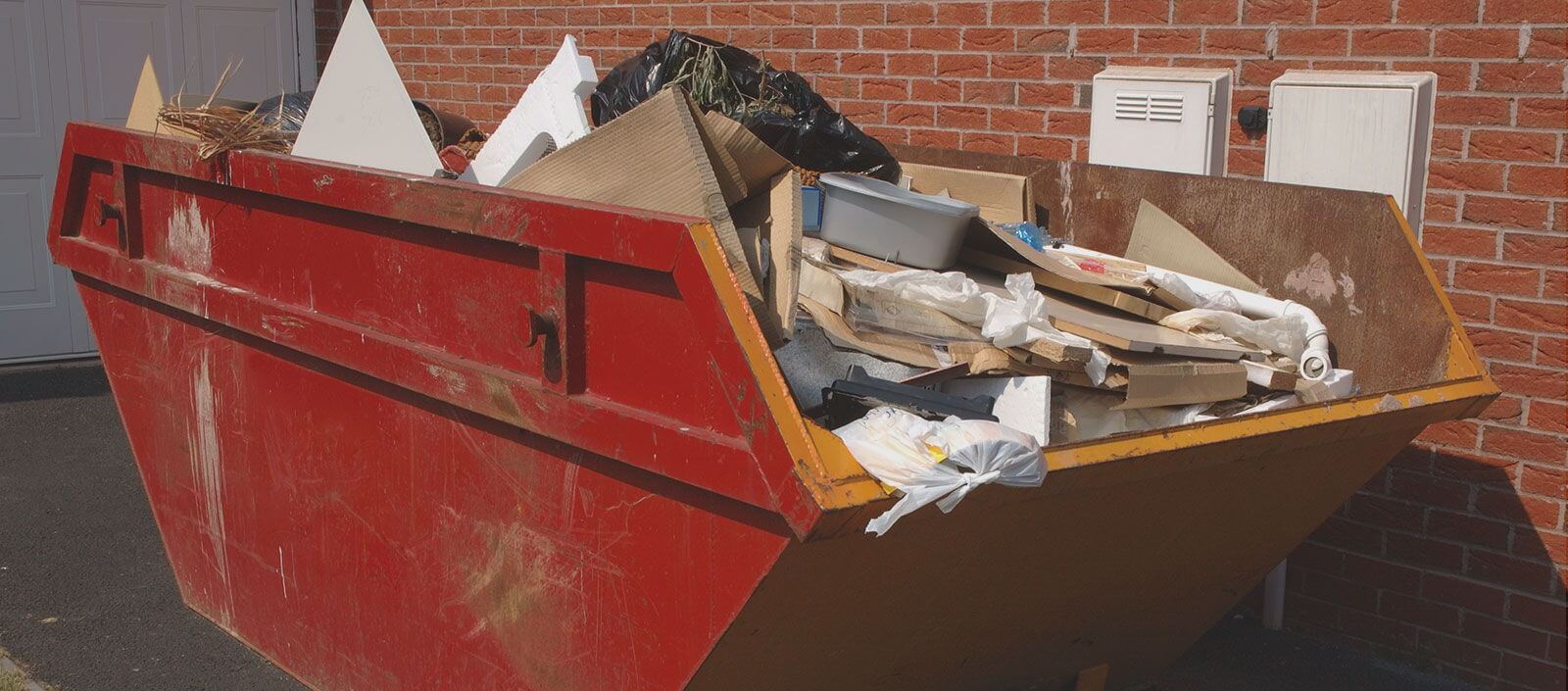
Council rules for bulky waste Harrow what residents must know
Posted on 16/06/2026
If you have an old sofa leaning awkwardly in the hallway, a broken wardrobe in the spare room, or a fridge that has finally given up after one last buzzing groan, the rules around bulky waste can suddenly matter a lot. And not in a glamorous way. This guide to Council rules for bulky waste Harrow what residents must know explains the basics in plain English: what usually counts as bulky waste, how council collection systems tend to work, what residents should check before putting anything out, and where people go wrong when they rush it.
The aim here is simple. You want the items gone, you want to stay compliant, and you want to avoid unnecessary hassle, missed collections, or fines. That means understanding the practical side as well as the rules side. We'll also cover when a dedicated clearance service can be the tidier option, especially if you've got multiple items, awkward access, or a deadline looming. Let's face it, bulky waste rarely arrives one item at a time.
Quick takeaway: bulky waste is usually anything too large for normal household bins, but the key is always to check how your local collection process works, what can be accepted, and whether items need separating, booking, or special handling.

Why Council rules for bulky waste Harrow what residents must know Matters
Bulky waste sounds straightforward until you actually try to dispose of it. A mattress is bulky. So is a dining table. So is that old chest of drawers that has somehow become permanently attached to the loft. But councils tend to treat these items with specific rules because they can't be handled like day-to-day rubbish.
Why does that matter? Because if you leave items out incorrectly, you may end up with missed collections, complaints from neighbours, or a situation where items sit on the pavement longer than they should. In a busy street, that becomes a trip hazard and an eyesore pretty quickly. On a rainy morning, it can also turn into a soggy mess. Not ideal.
There's also the practical side. Bulky waste collections often need advance booking, item limits, and preparation rules. Some items may be accepted, while others may need alternative handling due to safety, contamination, or recycling requirements. If you know the basics in advance, you can plan the job properly instead of improvising at the kerbside five minutes before collection time.
For residents who are already dealing with a home clear-out, moving house, or replacing furniture, getting this right saves time and reduces stress. If you're also planning a wider clear-out, a broader service such as house clearance support in Harrow may be a better fit than trying to piece everything together item by item.
How Council rules for bulky waste Harrow what residents must know Works
At a practical level, bulky waste rules usually work around a few common ideas. First, the item must be something that cannot go into ordinary household waste containers. Second, the council may require you to book a collection slot. Third, you may need to place the item in a specific location and only at a specific time.
The exact process can vary, so the safest approach is always to check the current local guidance before you put anything out. That said, residents can usually expect some combination of the following:
- Booking in advance: bulky waste collections are rarely "just leave it out anytime" services.
- Item restrictions: not every item qualifies, especially where electricals, chemicals, or hazardous materials are involved.
- Preparation rules: items may need to be separated, emptied, or dismantled a little.
- Placement instructions: collections often require items to be accessible without blocking pavements or shared access routes.
- Proof of residence: some collection systems are tied to local residents and local addresses.
It helps to think of bulky waste as a managed process rather than a bin day extension. The council wants items collected safely, efficiently, and in a way that does not create nuisance. You want the clutter gone. Both sides are easier when the steps are followed properly.
If you're dealing with furniture, appliance removal, or mixed household waste, it can also be useful to compare council collection with a direct collection option like furniture removal or white goods and appliance disposal depending on what needs to go. Sometimes the fastest route is not the simplest one, oddly enough.
Key Benefits and Practical Advantages
Following the rules is not just about avoiding trouble. Done well, it gives you a cleaner, safer, more predictable result. That matters if you're clearing one room or a whole property.
1. Less risk of collection failure
When bulky waste is booked, sorted, and placed correctly, the collection is much more likely to happen without delays. That sounds obvious, but missed collections are often caused by avoidable basics: wrong item type, incorrect location, or items left out too early.
2. Better safety for everyone
Large items can block walkways, attract scavenging, or become unstable in wind and rain. A wobbly wardrobe on a communal path is more than an inconvenience; it can be a real hazard. Good preparation reduces that risk.
3. Cleaner street presentation
To be fair, nobody enjoys seeing torn upholstery or broken cupboards sat outside for too long. Staying within the rules keeps streets looking tidy and avoids complaints from neighbours or building managers.
4. More predictable costs
Whether you use a council collection or a removal service, clarity helps. Once you know how many items are involved and what can be accepted, it becomes easier to compare your options and avoid surprise extras. If you want a broader overview of how collection and removal services are structured, the services overview can help set expectations.
5. Better recycling outcomes
Many bulky items contain reusable or recyclable components. Sorting them properly can improve the chance that useful materials are recovered. That's good for the environment and, frankly, a lot less wasteful than throwing everything into a mixed pile and hoping for the best.
Who This Is For and When It Makes Sense
This topic matters to a wide range of residents, not just people moving out. The most common situations include:
- Replacing old sofas, chairs, wardrobes, or beds
- Clearing a loft, garage, shed, or spare room
- After a tenant move-out or end-of-tenancy clean
- When white goods need replacing and the old appliance cannot stay
- Following renovations that have left large broken items behind
- Preparing a home for sale, a refurbishment, or a relatives' move
It also matters if you live in a flat or shared building, because bulky waste in communal areas can become awkward very quickly. One resident puts a mattress out too early, another adds a broken chair, and by the weekend the whole corner looks like a half-finished job. We've all seen that sort of thing.
If your situation is more than a one-off item, services such as loft clearance, furniture disposal, or domestic waste collection may be more appropriate than a single-item council collection. Especially if you're trying to do the job in one sweep before a deadline.
Step-by-Step Guidance
If you want to handle bulky waste properly, this is the order that usually makes life easier.
- Identify every item. Make a list of what needs removing. Count the items. Note anything heavy, awkward, wet, sharp, or electrical.
- Separate normal waste from bulky waste. A few bags of general rubbish should not be mixed in with large furniture. Keep categories clean.
- Check what can and cannot be accepted. Some items may need special handling. Electricals, paint tins, batteries, or damaged appliances can change the plan.
- Measure access points. Doors, stairways, lifts, shared hallways, and narrow front paths can all affect collection. A sofa that fits in the lounge may still be a nightmare on the way out.
- Book the collection or arrange removal. If you use a council route, follow the booking instructions carefully. If you use a waste service, ask how access, loading, and timing are handled.
- Prepare items safely. Empty drawers, remove loose parts, tape doors shut if needed, and keep glass or sharp edges protected.
- Place items exactly where instructed. Don't guess. If a collection needs a front boundary, kerbside, or other access point, stick to that.
- Keep confirmation details. Save your booking reference, service note, or quote. It's simple, but it helps if something changes.
A small but useful habit: take a quick photo of the items before collection. Not because you expect trouble, just because it helps if you need to confirm what was arranged. Handy, and mildly boring, which is exactly what you want from admin.
Expert Tips for Better Results
In real-world clear-outs, the best results usually come from the little details. Here are the things that make a difference.
- Bundle similar items together. A single sofa is easy. A sofa, chair, mattress, and cabinet lined up neatly is easier than four separate pile-ups.
- Think about weather. If collection day is wet, cardboard-backed furniture can deteriorate quickly. Don't leave things out too early.
- Watch for hidden extras. People often forget ottomans, bed bases, side tables, and loose panels.
- Use the narrowest part of the route as your test. If it fits through the hallway corner, great. If not, plan for dismantling.
- Don't assume "bulky" means "any large object". Some items need separate treatment, especially where electrical, fluid, or hazardous components are involved.
- Be realistic about effort. A couple of chairs is manageable. A whole garage, not so much. Truth be told, that is where people often start underestimating the job.
If you're comparing local options, you may also find it helpful to review rubbish collection and waste removal options when the load is mixed rather than purely bulky. That gives you a clearer picture of whether a council-style approach or a wider clearance service suits you best.

Common Mistakes to Avoid
Most bulky waste problems come from a handful of repeat mistakes. They're easy to avoid once you know them.
- Leaving items out too early. This can create nuisance, attract complaints, and sometimes breach placement rules.
- Mixing prohibited materials into the pile. One wrong item can disrupt the whole collection.
- Blocking pavements or entrances. That is a quick route to trouble, especially in shared spaces.
- Forgetting to separate electricals or appliances. These often need specific handling.
- Underestimating item size. A "small wardrobe" has a habit of becoming a "very large problem" when you reach the stairs.
- Not checking booking conditions. The fine print matters more than people think. Annoying, yes. Useful, also yes.
Another common issue is leaving the job half-done. A bed base goes out, but the mattress is still inside. Or the old table goes, but the broken chair stays because "it can go next time." That kind of piecemeal approach usually creates more effort than it saves.
Tools, Resources and Recommendations
You do not need fancy equipment to manage bulky waste well, but a few simple tools help enormously.
- Measuring tape: useful for checking doorways, stair turns, and lift access.
- Gloves: especially helpful for splinters, sharp edges, and grimy storage items.
- Strong tape or straps: good for keeping drawers shut or bundling loose parts.
- Basic dismantling tools: a screwdriver or Allen key can turn a difficult item into a manageable one.
- Bin bags or boxes: for screws, fittings, and small loose pieces.
For residents comparing disposal routes, the most useful internal references are usually the practical ones. If your job includes old sofas, mixed furniture, or a full room clear-out, the pages on furniture disposal, furniture removal, and house clearance are especially relevant.
If you're dealing with broader home waste, a better route may be a structured local service rather than trying to make every item fit a single bulky collection. That becomes even more true if you're also clearing a garden, office, or loft. The job grows teeth quite quickly once you start pulling things out.
Law, Compliance, Standards, or Best Practice
While this guide focuses on residents, compliance still matters. Bulky waste should be handled in a way that is safe, lawful, and traceable. In practice, that means using a legitimate collection or disposal route, following instructions, and avoiding fly-tipping by leaving waste with someone who cannot properly handle it.
That last point matters more than many people realise. If waste is passed to the wrong person, responsibility can become messy. The safest approach is to use a provider that can explain how they handle collection and disposal, and that can show clear compliance practices. If you want a plain-English explanation of what a responsible operator should be able to demonstrate, see waste carrier licence and compliance.
Best practice also includes:
- Keeping items accessible without causing obstruction
- Following any separation requirements
- Not placing waste out before the allowed time
- Using appropriate handling for sharp, heavy, or electrical items
- Making sure anyone collecting waste is properly equipped and insured
If you're choosing between council collection and private removal, consider the scale of the job, the item types, and the urgency. Council routes can work well for a few straightforward items. Private services often make more sense when timing, volume, or access becomes tricky. No drama, just the practical truth.
Options, Methods, or Comparison Table
Here's a simple comparison to help you decide which route fits your situation best.
| Option | Best for | Advantages | Watch-outs |
|---|---|---|---|
| Council bulky waste collection | One-off household items | Convenient for residents, suitable for modest jobs | May need booking, limits, and strict placement rules |
| Private bulky item removal | Furniture, mixed loads, urgent clear-outs | Flexible timing, faster turnarounds, can handle larger volumes | Costs vary, so compare carefully |
| Full house or room clearance | Moves, bereavements, refurbishments, large declutters | Most efficient for multiple items and mixed waste | More planning needed, especially for access and item sorting |
| Appliance-specific disposal | Fridges, washers, cookers, freezers | Safer handling for electrical and heavy units | Check how refrigerants or special components are treated |
There isn't one "best" answer for everyone. If you only have a single chair and a bedside unit, the council process may be fine. If you have a sofa, mattress, wardrobe, and a stubborn fridge from the back of the utility room, you'll probably want something more flexible. Common sense wins here.
Case Study or Real-World Example
Imagine a family in Harrow preparing to clear a guest bedroom before relatives arrive at the weekend. The room contains an old double bed, a broken wardrobe, a desk, and a small appliance that no longer works. On paper, it sounds simple. In reality, the bed frame is awkward, the wardrobe has to come apart, and the hallway is narrow enough that a careless move could mark the wall.
They start by listing the items, checking what can be taken together, and measuring the route from bedroom to front door. That reveals the wardrobe must be dismantled and the bed base carried in sections. The appliance is separated from the furniture load because it may need specific handling. They then decide whether a council collection is enough or whether a broader appliance disposal or mixed removal option makes more sense.
The final result is clean and calm rather than chaotic. No one is sweating in the doorway at 8:30 in the morning trying to force a wardrobe around a corner. Which, honestly, is a small victory worth having.
Practical Checklist
Use this quick checklist before you book or put anything out:
- Have you identified every bulky item?
- Have you separated normal waste from bulky waste?
- Have you checked whether any item needs special handling?
- Have you measured doorways, stairs, lifts, and access points?
- Have you confirmed the collection rules or service requirements?
- Have you booked the correct date and time?
- Are the items placed in the correct location for collection?
- Are drawers emptied, loose parts removed, and glass protected?
- Have you saved the confirmation details?
- Do you know what to do if the collection is missed or rescheduled?
If you can tick off most of that list, you're in good shape. Not perfect, perhaps. But comfortably prepared, and that counts for a lot.
Conclusion
Bulky waste rules are not especially exciting, but they do make a real difference to how smoothly a clear-out goes. The main thing residents must know is that these collections are usually structured, not casual. Check what is accepted, prepare items properly, keep them accessible, and choose the right route for the size of the job.
For a single item, the council process may be enough. For multiple pieces, awkward access, or a larger home clearance, a more flexible service can save time, stress, and a fair bit of carrying. The cleanest outcome is usually the one planned with the least guessing.
Get a free quote today and see how much you can save.
And if you're in the middle of a declutter right now, don't panic. One room at a time still works. It always does.


 Tipper Van - Waste Removal and Rubbish Clearance Prices in Harrow, HA1
 Luton Van - Waste Removal and Rubbish Clearance Prices in Harrow, HA1