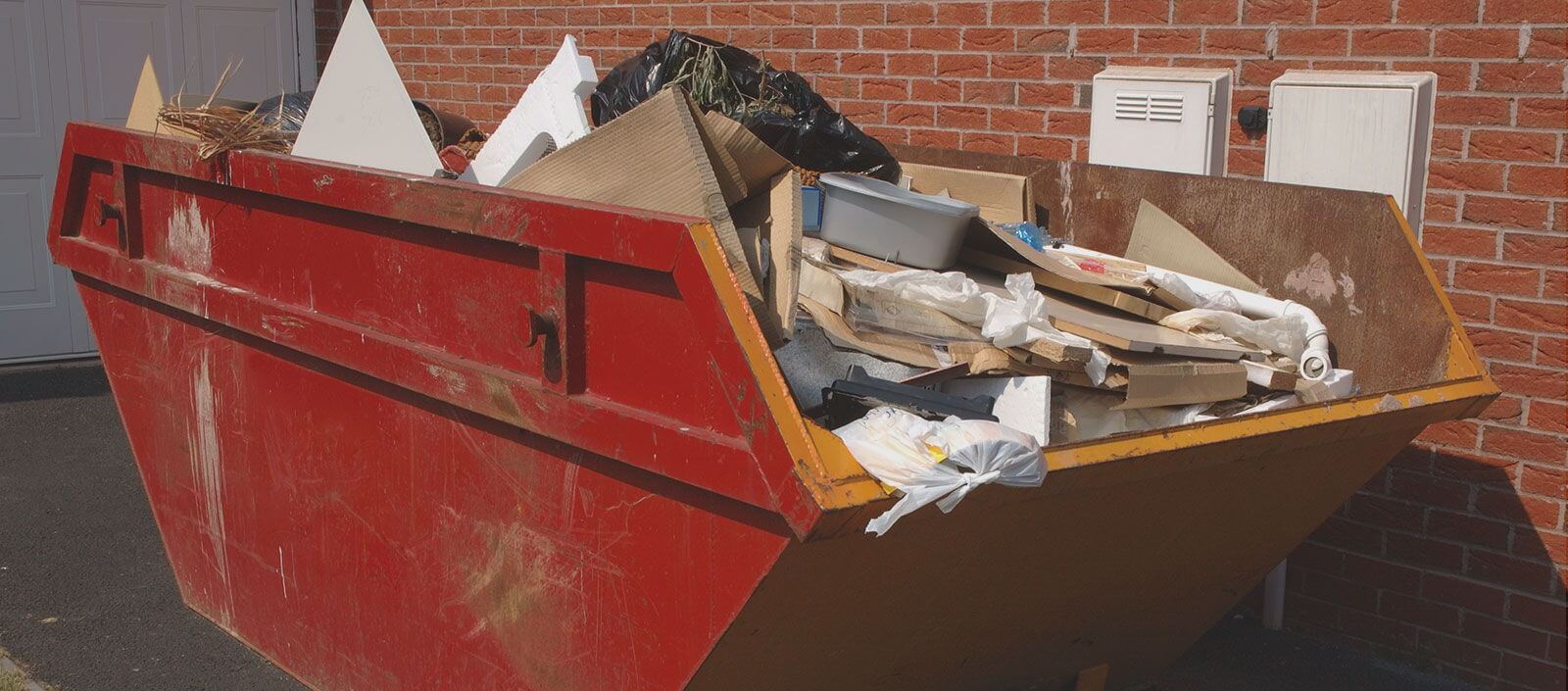
 Builders Waste Disposal
Builders Waste Disposal
 Domestic Waste Collection
Domestic Waste Collection
 Furniture Removal
Furniture Removal
 Commercial Waste Removal
Commercial Waste Removal
 White Goods and Appliance Disposal
White Goods and Appliance Disposal
 Furniture Disposal
Furniture Disposal
 Garden Waste Removal
Garden Waste Removal
 House Clearance
House Clearance
 Loft Clearance
Loft Clearance
 Office Clearance
Office Clearance
 Rubbish Collection
Rubbish Collection
 Waste Removal
Waste Removal
Waste Removal in Harrow
Waste Removal Harrow provides rubbish collection in Harrow for homes, landlords, offices and trade premises that need unwanted items taken away in a practical, orderly way. Our service covers a broad range of clearance work, from single bulky items to fuller loads that need careful sorting and removal. When you want a straightforward way to clear space without managing the heavy lifting yourself, we offer a focused service built around removal, handling and responsible disposal.
We work across common domestic and commercial waste types, including general rubbish, furniture, garden waste, white goods and mixed clearance loads. That means the service can suit an end-of-tenancy clean-out, a home refresh, a room by room declutter, or an office tidy-up where items have accumulated and need to go in one visit. For customers comparing options, the main choice is usually between a simple load collection and a more detailed clearance involving different item categories.
To help you choose the right service, start by identifying what needs removing and whether the load contains bulky furniture, light bagged waste, appliances or mixed materials. If you are ready to make progress, take a look through the service pages and then request a quotation when you know roughly what should be collected.
Clearance Options for Different Property Types
Domestic and commercial clearances can look similar at first, but the practical details are often different. Households usually want help with bulky furniture, old appliances, loft contents or garden cuttings, while businesses may need the removal of desks, chairs, shelving, packaging or general office waste. We aim to keep those jobs organised by treating the load as a collection of item types rather than just a pile of rubbish, which helps when different materials need separating before disposal.
Where the load is varied, the collection may involve more than one stage: lifting, grouping, loading and then arranging disposal or recycling routes. That approach is useful for customers who need more than a quick uplift because it gives a clearer picture of what is being taken and helps keep the work tidy. Our services overview explains the main categories we handle, while the specialist pages below give a better sense of the kinds of loads each service suits.
Common service categories
- Household rubbish and mixed domestic items
- Furniture and larger household belongings
- Garden waste such as clippings and cuttings
- Appliances and white goods
- Commercial and office waste
Furniture, Appliances and Bulky Items
Large items often need more planning than bagged waste because they are awkward to move, can be heavy, and may include materials that need handling separately. Sofas, tables, wardrobes, mattresses, fridges and washing machines are typical examples of items people prefer to have taken away as part of a dedicated removal. This is where our furniture removal and appliance disposal services are especially relevant, because they focus on the sort of bulky possessions that can block hallways, spare rooms, garages or office storage areas.
For customers comparing these options, the main decision is whether the item is being removed as furniture, as an appliance, or as part of a wider clearance. The distinction matters because it affects loading, sorting and disposal arrangements. If you want to check the route that best matches your load, see the dedicated pages for furniture removal in Harrow and white goods and appliance disposal before you ask for a quote.
When several bulky items need removing together, the work is usually more efficient than arranging each item separately. That can be useful after a replacement delivery, a renovation, or a property clear-out where old and new items overlap. Our approach is to keep the collection clear and practical, with a focus on moving items out safely and ensuring they are directed to the appropriate disposal route afterwards.
House, Loft and Office Clearance
Some jobs are less about one or two large objects and more about clearing an entire area that has become crowded over time. House clearance can involve a mix of furniture, bagged waste, bric-a-brac and forgotten contents from different rooms. Loft clearance often needs more care because access can be awkward and items may be stored in a compressed space for years. Office clearance usually centres on desks, chairs, filing furniture, archived materials and general workplace clutter that needs removing in a controlled way.
If you are choosing between these services, think about the setting first and the item mix second. A loft job may be light in weight but difficult to access; an office job may be straightforward to carry but involve more pieces and a more structured layout; a full house clearance may sit somewhere in between. For fuller details, the relevant pages are house clearance in Harrow, loft clearance and office clearance.
Good preparation is simple. It helps to note which rooms or storage areas are involved, whether any items are especially heavy or fragile, and whether the clearance is part of a move, refurbishment or decluttering project. That information makes it easier to scope the job accurately and choose the best service path. A brief description is usually enough to start the conversation.
Garden, Builders and Everyday Rubbish
Different waste streams suit different handling methods, so it makes sense to separate garden waste, builders waste and general rubbish into their own service categories. Garden waste usually includes grass cuttings, hedge trimmings, branches, soil and other outdoor debris. Builders waste may involve rubble, timber offcuts, packaging, broken fixtures and renovation debris. Everyday rubbish collection is broader, covering mixed household waste that does not fit neatly into a specialist category.
Those distinctions matter because the same collection van and loading process is not always the best answer for every type of waste. A garden clearance may be light but bulky, while builders waste can be dense and heavy. General rubbish may be a mix of items that need sorting before disposal. If your job sits in one of those groups, the relevant pages are garden waste removal, builders waste disposal and rubbish collection in Harrow.
For pricing, the main factors are usually the volume of waste, how awkward the items are to remove, and the type of material involved. A pile of light cuttings may need a very different amount of handling from a dense load of rubble or a mixed domestic clear-out. If you have a rough list ready, that is often enough to begin the quotation process without needing to overcomplicate the request.
About Harrow
Harrow is a north-west London district with a long and varied history, shaped by its position on higher ground and by the growth of transport links into the capital. Harrow Hill, one of the best-known landmarks in the area, has long been associated with the historic settlement around Harrow on the Hill and its college. The wider district includes busy commercial centres, residential streets and pockets of open space, giving it a distinctly mixed character. Harrow School, founded in the late sixteenth century, remains one of the most recognisable institutions in the locality, while the surrounding conservation area reflects older patterns of settlement and architecture. The district is also known for its transport connections, with Harrow-on-the-Hill, Harrow & Wealdstone and other stations linking the area to central London and beyond. Green space is an important part of the local landscape too, with places such as Harrow Recreation Ground and nearby parks offering a contrast to the built-up streets. The borough as a whole brings together neighbourhoods with different histories, from older hilltop streets to later suburban development, and that variety is reflected in the range of buildings, shops and community spaces found across the area. Historic and modern elements sit side by side, from church buildings and older terraces to post-war housing and contemporary retail frontages, giving Harrow a layered townscape rather than a single uniform identity.
How to Choose the Right Collection
The best way to choose a waste removal service is to match the item type with the level of clearance needed. If you have one or two large pieces, a furniture or appliance service may be enough. If the problem is a room full of mixed possessions, a house or loft clearance is more appropriate. If the waste comes from outdoor work, a garden collection is usually the clearest fit. For building-related debris, builders waste disposal is the most direct route. Keeping the job category simple helps avoid confusion and makes the quotation more accurate.
When you are planning the collection, it can also help to think about access and separation. Items placed together but made from different materials may need sorting once they are removed, and tight access can affect how the work is carried out. A short written description, plus any useful detail about where the waste is located, usually gives enough information to identify the right service. If you are comparing options, the domestic waste collection and commercial waste removal pages are useful starting points for deciding whether your job is household or business based.
We also provide guidance on responsible handling and compliance, which can be helpful if you want to understand the process a little better before you book. You can read about waste carrier licence and compliance and, if you are interested in disposal standards and material recovery, look at recycling and sustainability. These pages are not essential for every customer, but they do explain the wider framework behind the work.
Preparing a Clear Quotation Request
A concise quotation request usually works best. It is helpful to describe the main item types, estimate how much space they take up, and mention whether anything is particularly heavy, fragile or awkward to move. If the job includes several parts, such as furniture plus bagged waste, say so in one message. That gives a better basis for matching the service to the load and avoids unnecessary back and forth before the collection is arranged.
For some customers, the most useful next step is simply to gather the key details in one place: what needs removing, where it is located, and whether the work is domestic or commercial. That applies whether you are dealing with a small clear-out or a larger mixed load. If you want to review the way we handle estimates, the pricing and quotes page is the best place to start, and the payment and security page explains the basic approach to secure transactions.
If you are ready to move forward, send a clear description of the waste and ask for a quotation today. For general questions about the business and the wider service range, the about us page may also be useful before you get in touch.
Support, Policies and Further Information
Some visitors want a straightforward collection, while others prefer to review the practical details behind the service before they commit. For that reason, we make space for clear policy and support pages alongside the main service information. You can find details on accessibility, privacy, cookies and terms through the dedicated pages, and those links are there to help customers understand the website and the basic rules that apply to using it. This is often useful if you are booking on behalf of a household, landlord or business and want the administrative side in order first.
Our aim is to keep the commercial part of the process simple: identify the waste, choose the most suitable service, and request a quotation when you are ready. If you need to read more about how the site is managed, accessibility statement, privacy policy and terms and conditions are all available as separate pages.
When the job is urgent or involves a more unusual layout, it is still usually best to start with a plain description rather than a long explanation. A short note about the waste type, location and any access issues is enough to begin. If you are at the final stage and want a direct point of contact, contact us to request your quotation.